By Lauren Orme
Graphic awarded by Charity Navigator.
By Lauren Orme
Graphic awarded by Charity Navigator.
By Lauren Orme
Photo by Jena Cosimo.
Photo by Ray Shrewsberry on Unsplash .
Photo by Jena Cosimo.
Photo courtesy of Triple L Farms’ Mosley Family.
Photo by Jena Cosimo.
By Lauren Orme and Karen Keene
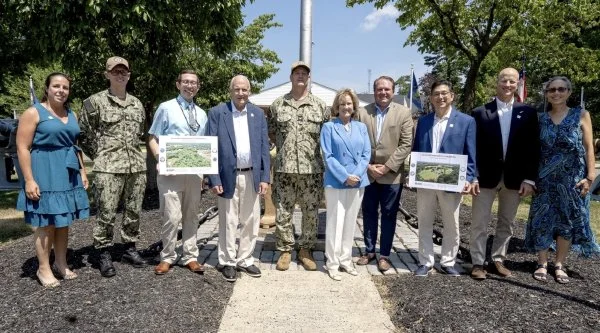
Representatives from the US Navy, Monmouth County, and MCF commemorating our inaugural preservation projects.The U.S. Navy announced $3 million more in funding was awarded for Naval Weapons Station (NWS) Earle through the U.S. Department of Defense REPI program. Since 2018, partners at NWS Earle, Monmouth County, MCF, and local municipalities have mobilized REPI program funds to preserve farmland and wetlands, prevent incompatible development, and support military readiness around NWS Earle’s nearly 12,000-acre footprint. The partnership has already preserved 339 acres across three properties in Howell and Colts Neck, with additional properties advancing in the preservation pipeline.
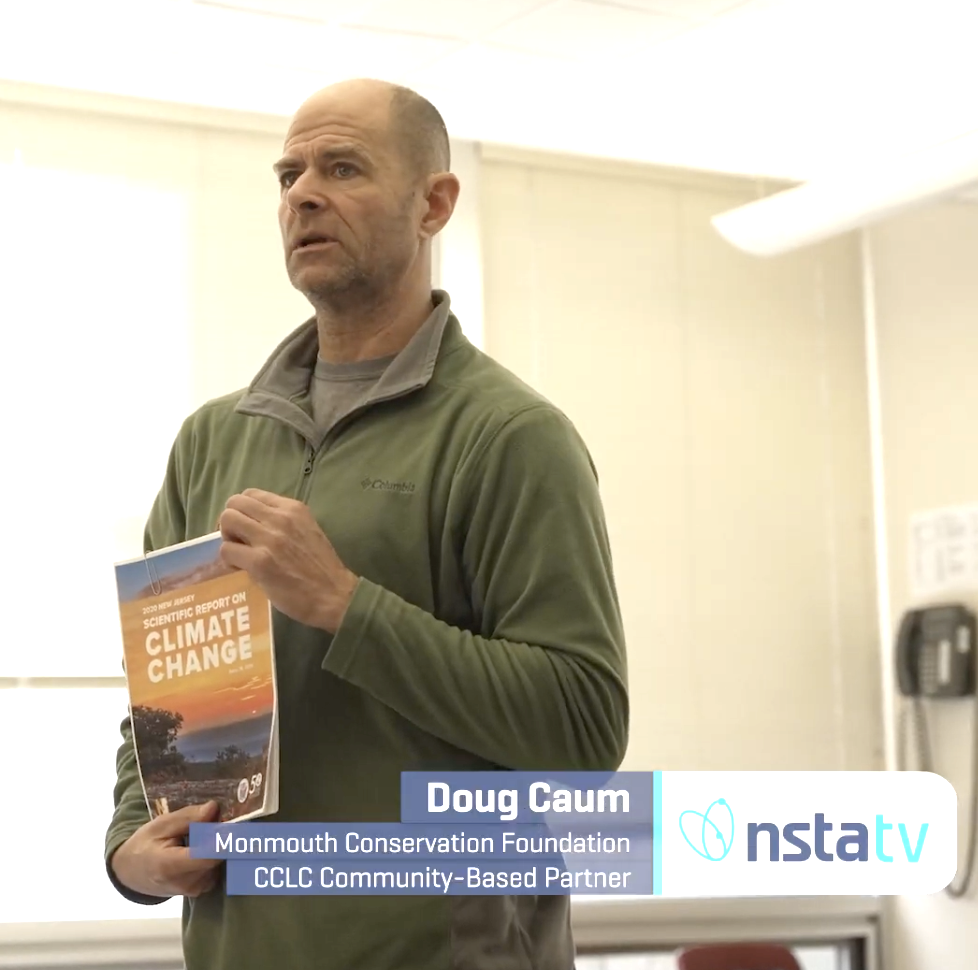
Photo courtesy of Monmouth University.MCF was proud to continue participating as a nonprofit partner in the Climate Change Learning Collaboratives (CCLCs), through a grant renewed in 2025 by the New Jersey Department of Education to Monmouth University. The statewide CCLC program trains K–12 educators in teaching climate change across grade levels and subject areas. As part of this effort, MCF’s Director of Educational Outreach, Doug Caum, hosted a new series of free, experiential field-based trainings for educators and students on implementing and understanding the still-new statewide climate change curriculum.
Photo by Karen Keene.Before the approach of warmer weather, MCF plans its annual monitoring season. MCF’s Director of Acquisitions, Jena Cosimo, conducts monitoring for all easements held by MCF and for select easements held by Monmouth County through annual site visits, detailed reporting, and ongoing landowner communication. In 2025, we oversaw the stewardship of 46 conservation and agricultural easements protecting approximately 900 acres of open space and farmland throughout Monmouth County. With only so much land remaining that is not yet developed or preserved, fostering protected lands is increasingly important.
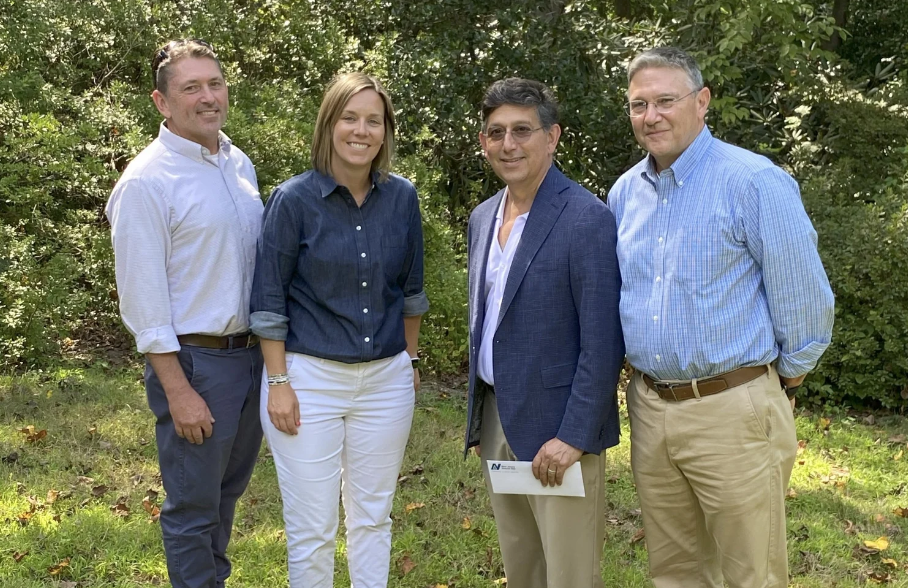
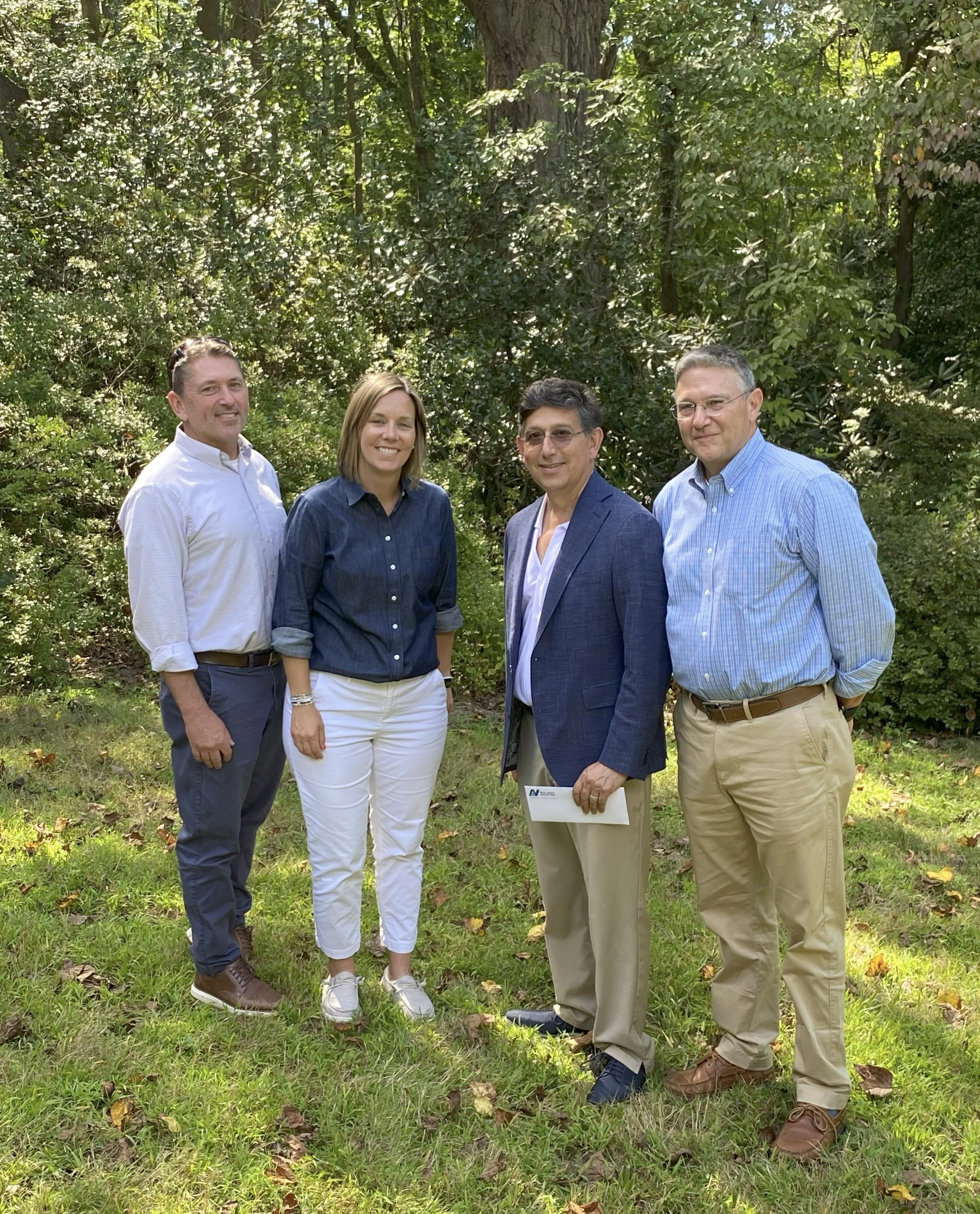
L-R: NJR’s Ray Bukowski and Katie Feery with MCF’s Matthew Cohen and Marty McHugh at a site visit at Scudder Preserve. Photo by Bill Kastning.As MCF celebrated its first anniversary as owner and steward of Scudder Preserve, we finalized a long-term management plan to guide restoration and improve habitat health across the 90-acre property. The important plan and its implementation are generously supported by a New Jersey Resources (NJR) grant and seed funding from an anonymous donor. MCF was also awarded an American Water Charitable Foundation grant to protect water quality in Scudder Preserve’s pond and stream system, in line with the management plan.
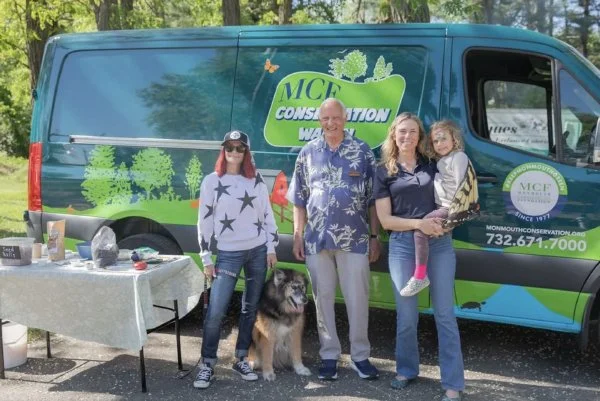
Photo by Marcella Shook Photography. MCF was grateful to welcome friends and community members to the 2025 Spring for Conservation Family Day fundraiser, at which we launched MCF’s Conservation Wagon. Generously donated by Ray Catena Auto Group, the Conservation Wagon is designed to serve as a mobile hub for environmental learning and hands-on exploration. Reflecting MCF’s belief that nature belongs to everyone, many families linked to nonprofit partners enjoy free admission to our Family Day each year, and Conservation Wagon programs are free and prioritized in underserved communities – all thanks to generous sponsor support.
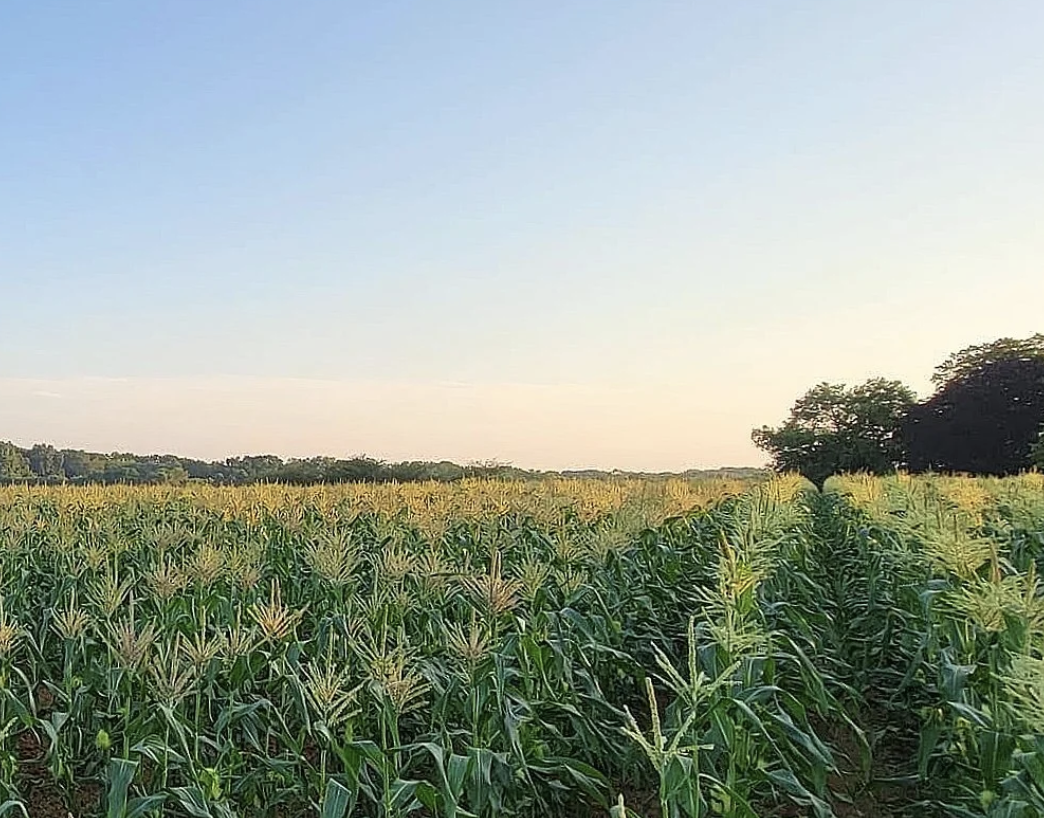
Samaha Farm, one of the properties MCF is dedicated to preserving. Photo courtesy of the Samaha family. MCF’s fiscal year closed with 13 properties in the preservation pipeline, reinforcing our role as a trusted facilitator among landowners and public partners. As a land trust, MCF works with partners to navigate the many steps of land preservation. Every property is unique, and the process advances on a case-by-case basis, often shaped by years of negotiation and changing circumstances. MCF can act swiftly and impartially, supporting or leading projects while sustaining long-standing relationships essential to successful land preservation, driven by support from our donors.
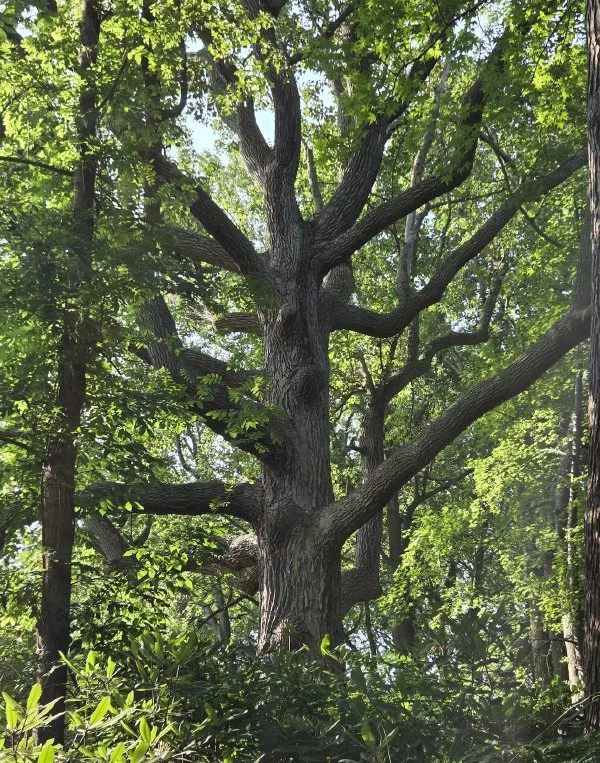
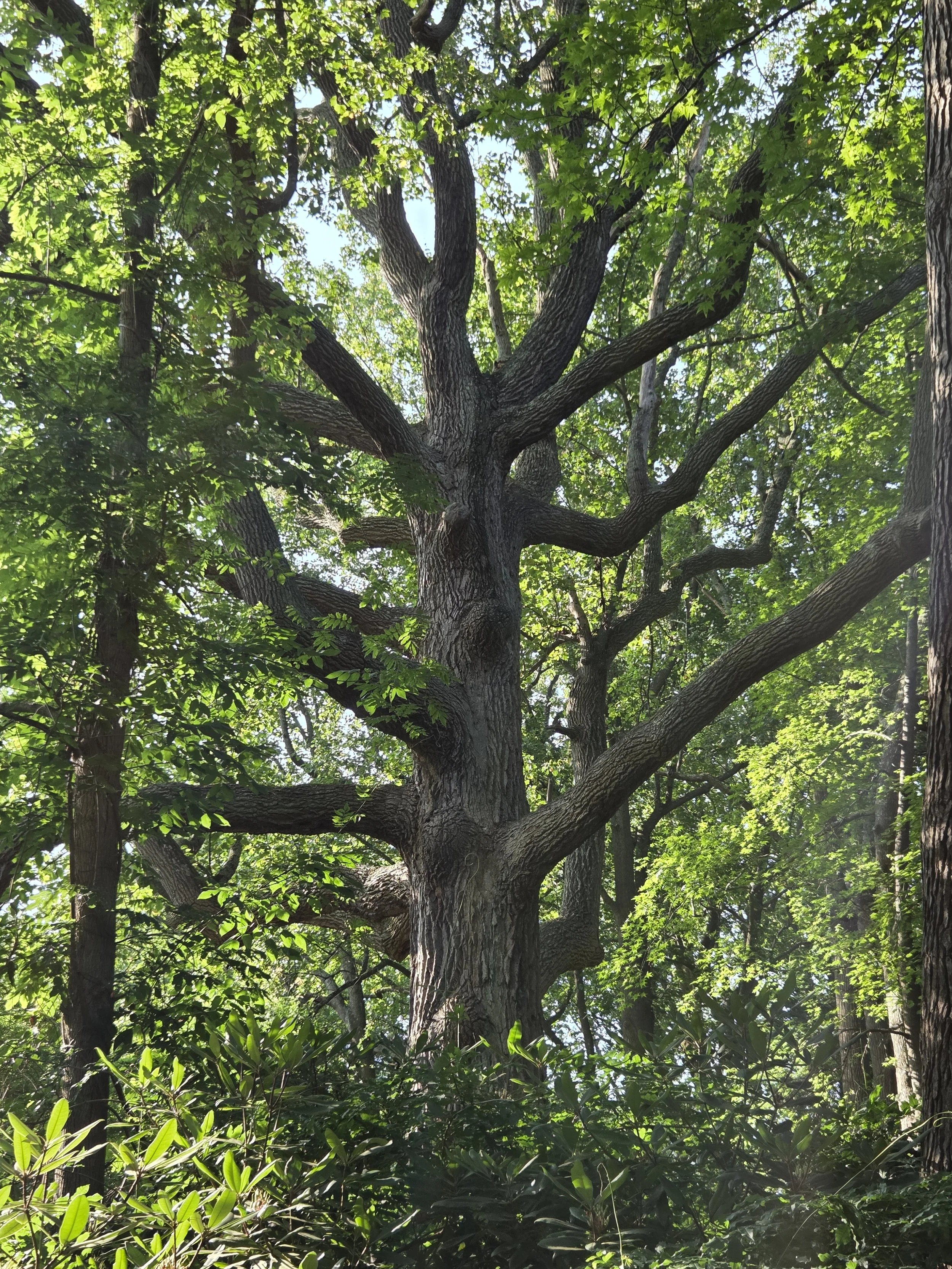
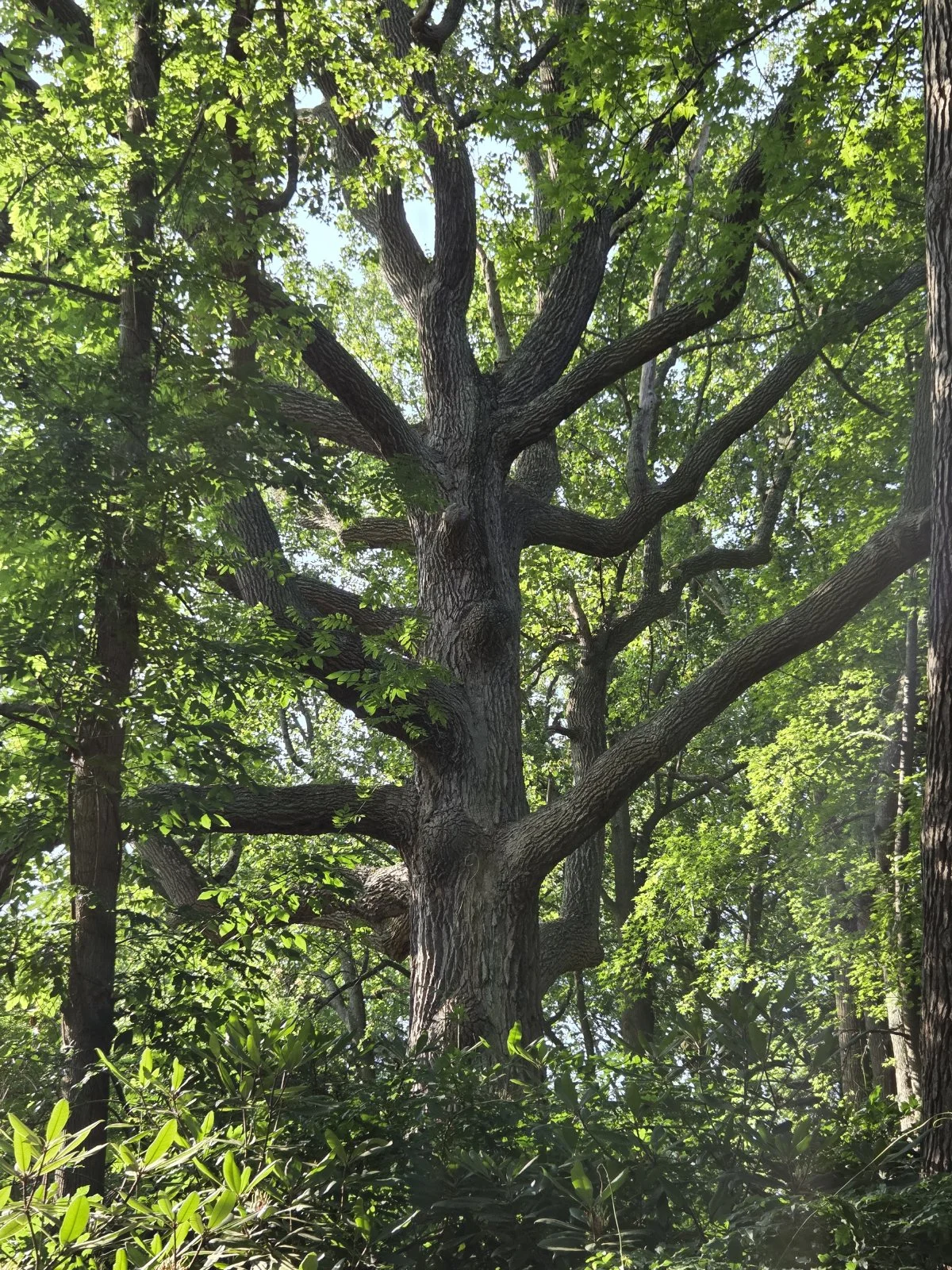
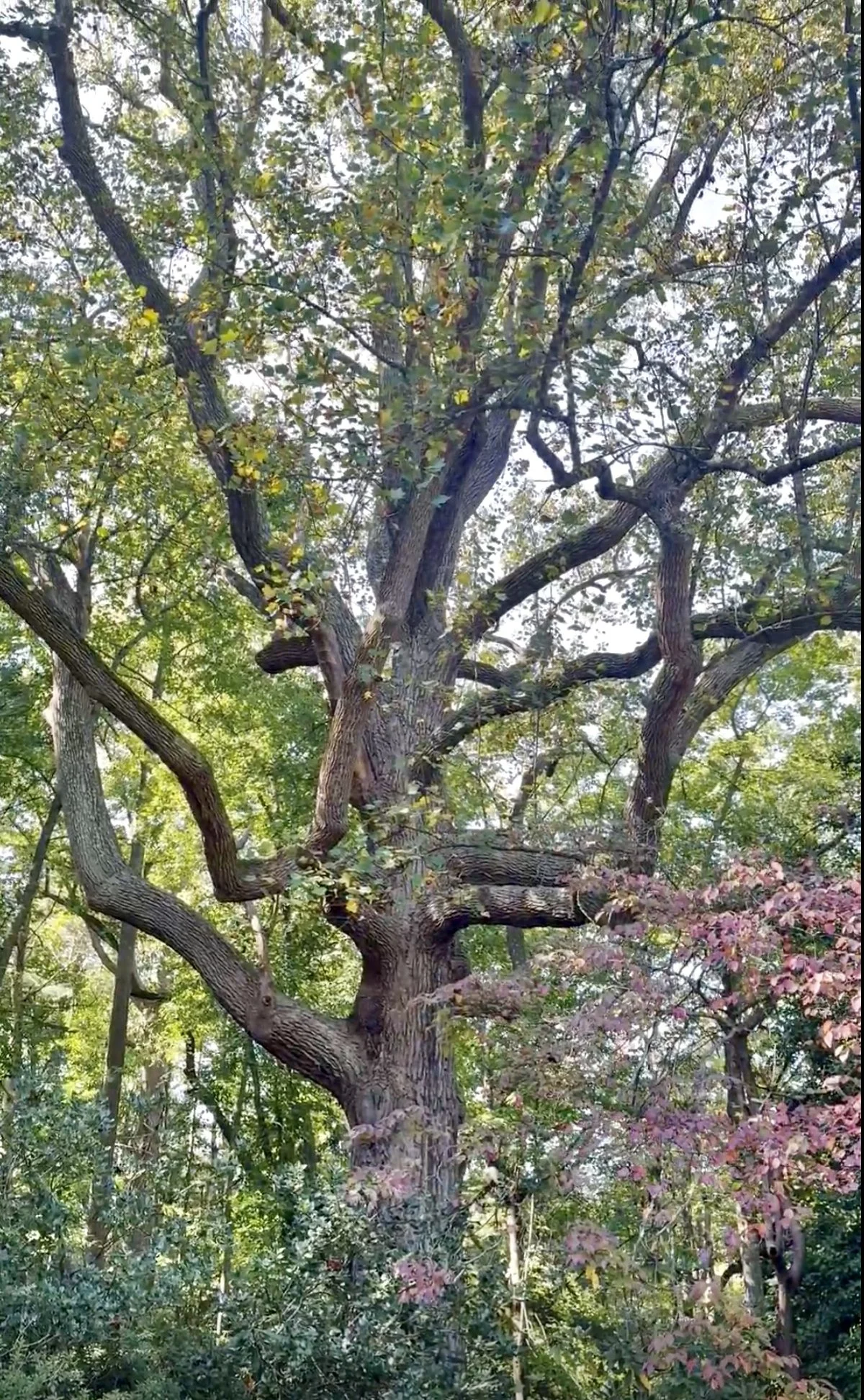
Photo by DuBois and Associates. As part of a year-long Natural Resource Inventory, measurements revealed that Scudder Preserve is home to New Jersey’s second-largest tulip tree. Estimated to be more than 200 years old and in excellent health, the tree was officially measured by the New Jersey Forest Service in July. With a 17-foot, 5-inch circumference, 124-foot height, and 112-foot crown spread, it earned a Signature Tree designation, highlighting the exceptional natural resources protected by Scudder Preserve.
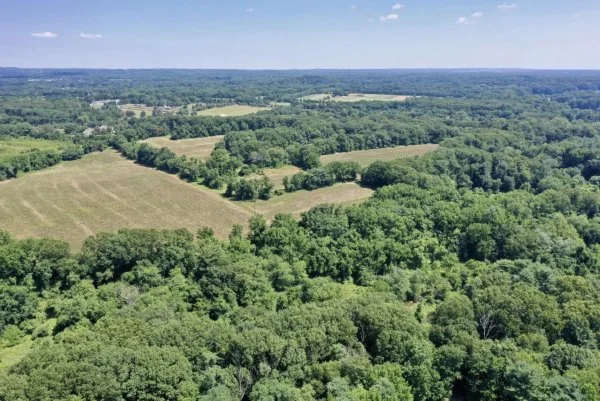
Photo by Fred Yahn, Eagle Drone Solutions.In partnership with the U.S. Navy, Monmouth County, and Colts Neck Township, MCF completed the preservation of the 84-acre Spinella Family Farm. A conservation easement permanently protects the privately owned property from development while keeping it agriculturally productive. The project also supports sustainability goals for NWS Earle and safeguards water quality, wildlife habitat, and the Yellow Brook watershed, which feeds the Swimming River Reservoir, an important regional drinking water source.
.MCF received national accreditation renewal for an additional five years from the Land Trust Accreditation Commission, following a rigorous review process. First accredited in 2014, MCF has continued to meet the highest national standards for conservation permanence, governance, and stewardship, remaining among fewer than 500 accredited land trusts of the nearly 1,300 nationwide. The process included a detailed evaluation of policies and practices and a public comment period, reaffirming MCF’s commitment to transparency, accountability, and long-term land protection.
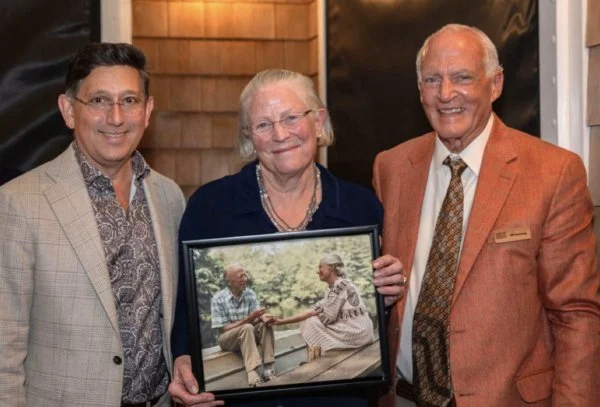
MCF’s Matthew Cohen (L) and Bill Kastning (R) with honoree Jean Scudder (C). Photo by Marcella Shook Photography.The MCF community gathered at the Riverhouse at Rumson Country Club for our signature Fall for Conservation Cocktail Party, our biggest fundraiser of the year. On this memorable evening, MCF honored the Scudder Family and their commitment to land preservation, posthumously recognizing Richard “Dick” and Elizabeth “Libby” Scudder. The Scudder family’s legacy lives on through the 90-acre Scudder Preserve, MCF’s first landholding, where we are restoring habitat, improving water quality, and expanding public access. Fall for Conservation raises critical funds for MCF’s operations, preservation, and education efforts.
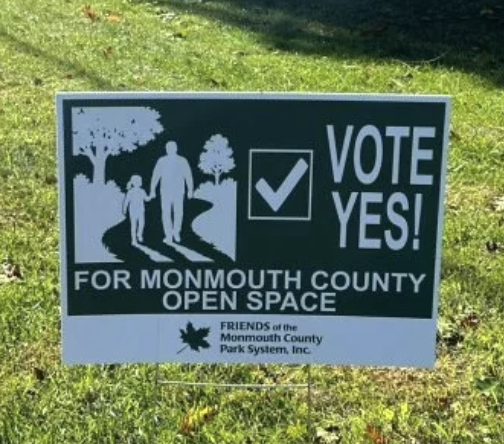
Photo by Karen Keene.This month, Monmouth County voters strongly supported open space referendums, affirming the importance of protecting local green spaces. The Open Space Trust Fund increases passed decisively in Monmouth County, Manasquan, and Little Silver, with countywide approval rising from 58 percent in 2017 to 67 percent in 2025. MCF proudly endorsed these measures, which align with our dedication to preserving land for clean water, wildlife, agriculture, and recreation amid growing development pressures statewide.
Danny Seo. Photo by Marcella Shook Photography.MCF celebrated our annual Holiday Style Luncheon and Shopping Spree, another key fundraiser and cherished December tradition, bringing supporters together for an eco-friendly shopping experience featuring local vendors. Guests heard from keynote speaker Danny Seo, a nationally recognized leader in sustainable living, who shared practical ways to make small, meaningful changes for environmental impact. His message highlighted how everyday choices can benefit the planet, personal health, finances, and community well-being. This memorable event raised critical revenue to drive MCF’s ongoing efforts.
For Immediate Release
Contact: Karen Keene
Kkeene@monmouthconservation.org
M. 908-839-0324
Photo by Tine Colella Photography.
###
About Monmouth Conservation Foundation
Founded in 1977, Monmouth Conservation Foundation (MCF) works to acquire and preserve open space and farmland and conserve natural habitats throughout Monmouth County in support of outdoor recreation, agriculture, clean water, and wildlife for long-term sustainability. An independent nonprofit organization that works with Monmouth County and its 53 municipalities, MCF’s vision is to lead conservation and education efforts to preserve and protect our natural environment, so all individuals and communities have access to and can benefit from open space and nature for generations to come. MCF received accreditation by the Land Trust Accreditation Commission in 2014 and has continued to maintain this status since. Accreditation is awarded to land trusts meeting the highest national standards for excellence and conservation permanence. MCF is one of 478 accredited land trusts out of 1,281 nationwide. For more information, visit www.monmouthconservation.org.
Photo courtesy of Anthony Silva
Scudder Preserve’s Signature Tulip Tree.
Photo by DuBois & Associates.
Scudder Preserve’s small vernal pool. Photo by DuBois & Associates.
Photo by Emilee Carton: Jersey Shore Wildlife Photography.
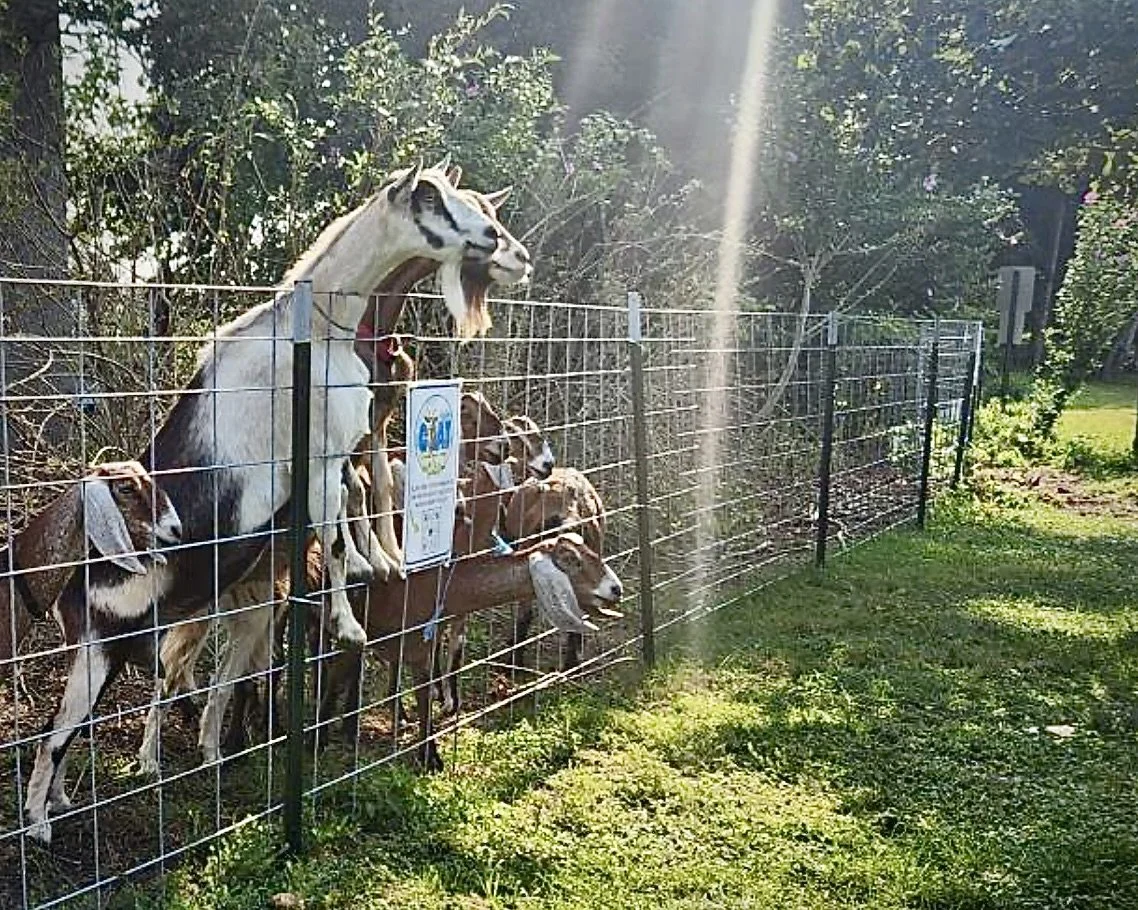
The Sea Girt goat logo, courtesy of the Borough of Sea Girt.
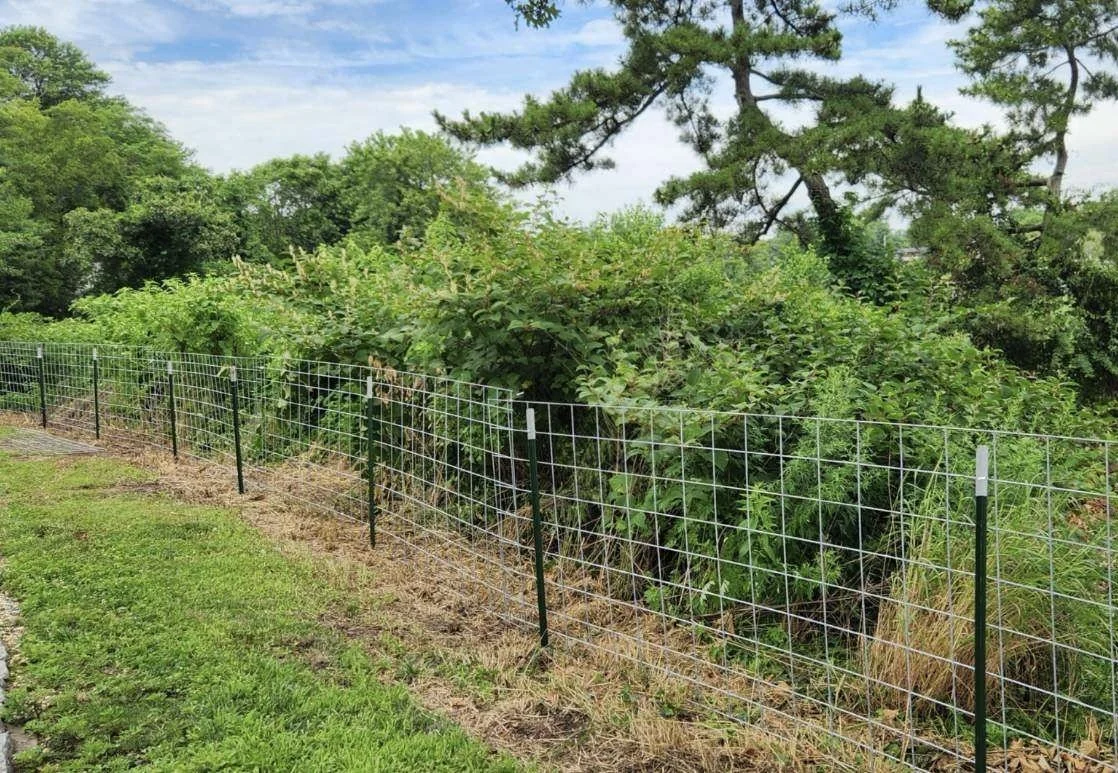
An example of the dense plant life in Sea Girt, including many invasive species. Photo courtesy of the Borough of Sea Girt.
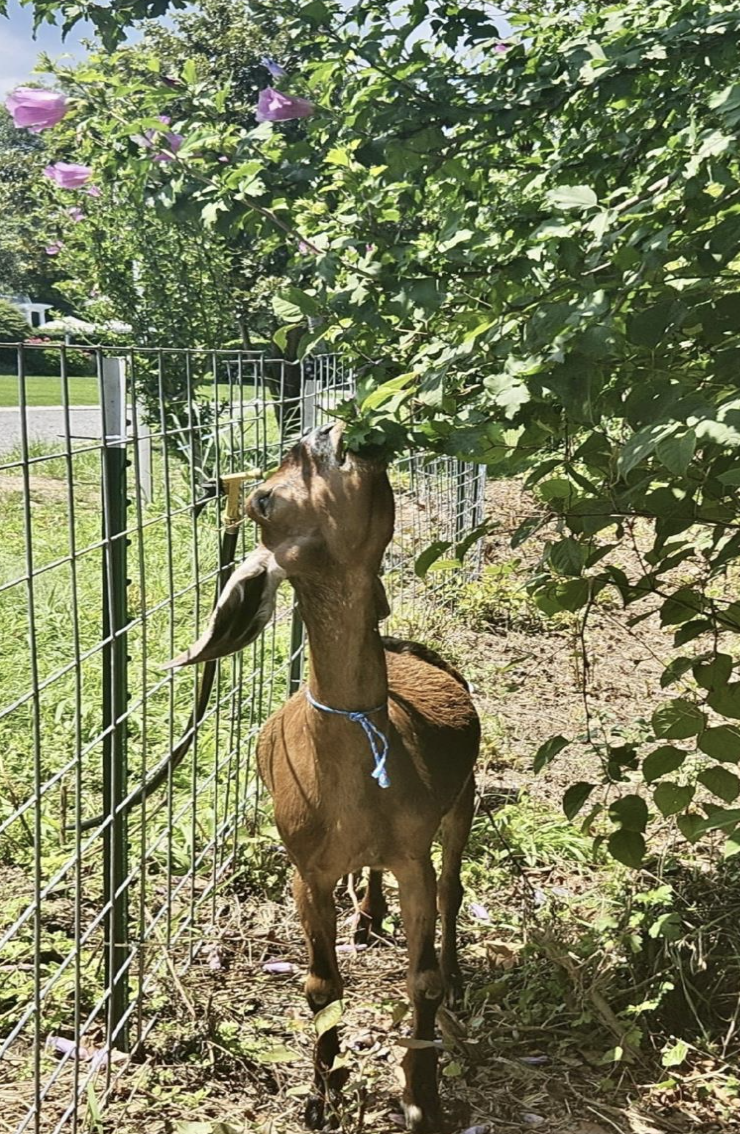
Goats prefer to browse on many plants, especially those with woody stems. Photo courtesy of the Borough of Sea Girt.
Edgemere Park in Sea Girt. Photo by Jena Cosimo.
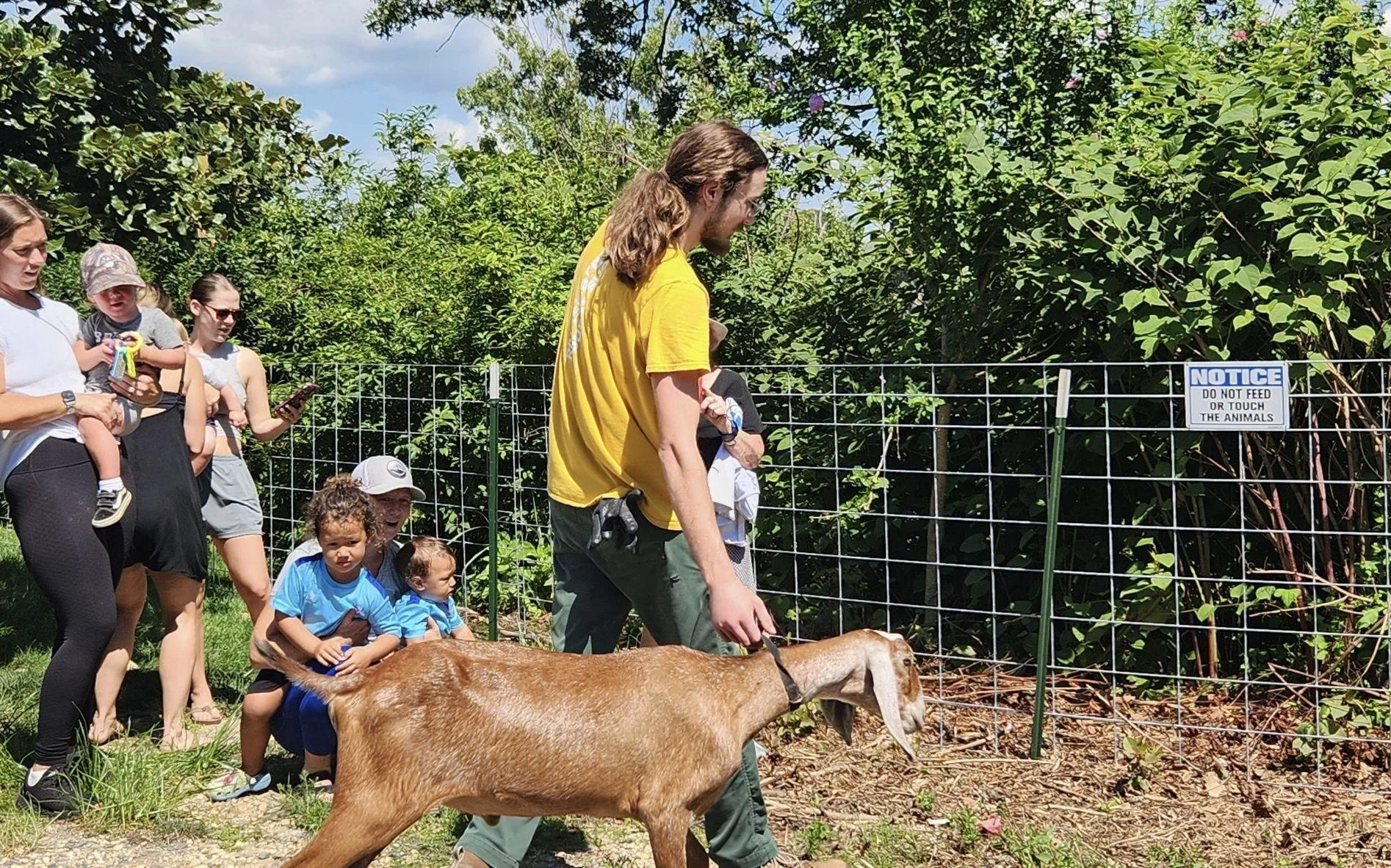
Participants in the goat-welcoming party. Photo courtesy of the Borough of Sea Girt.
The Sea Girt community enjoyed the friendly goats. Photo courtesy of the Borough of Sea Girt.
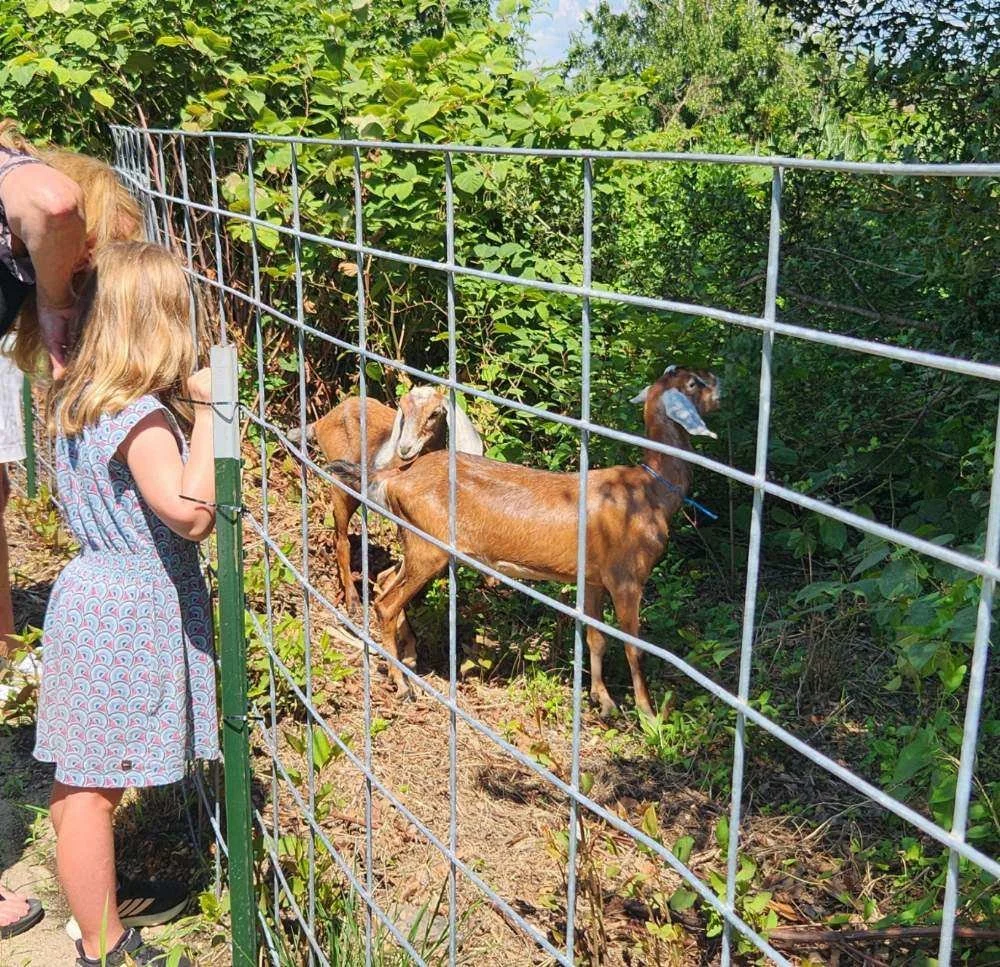
The famous Sea Girt Goats. Photo courtesy of the Borough of Sea Girt.
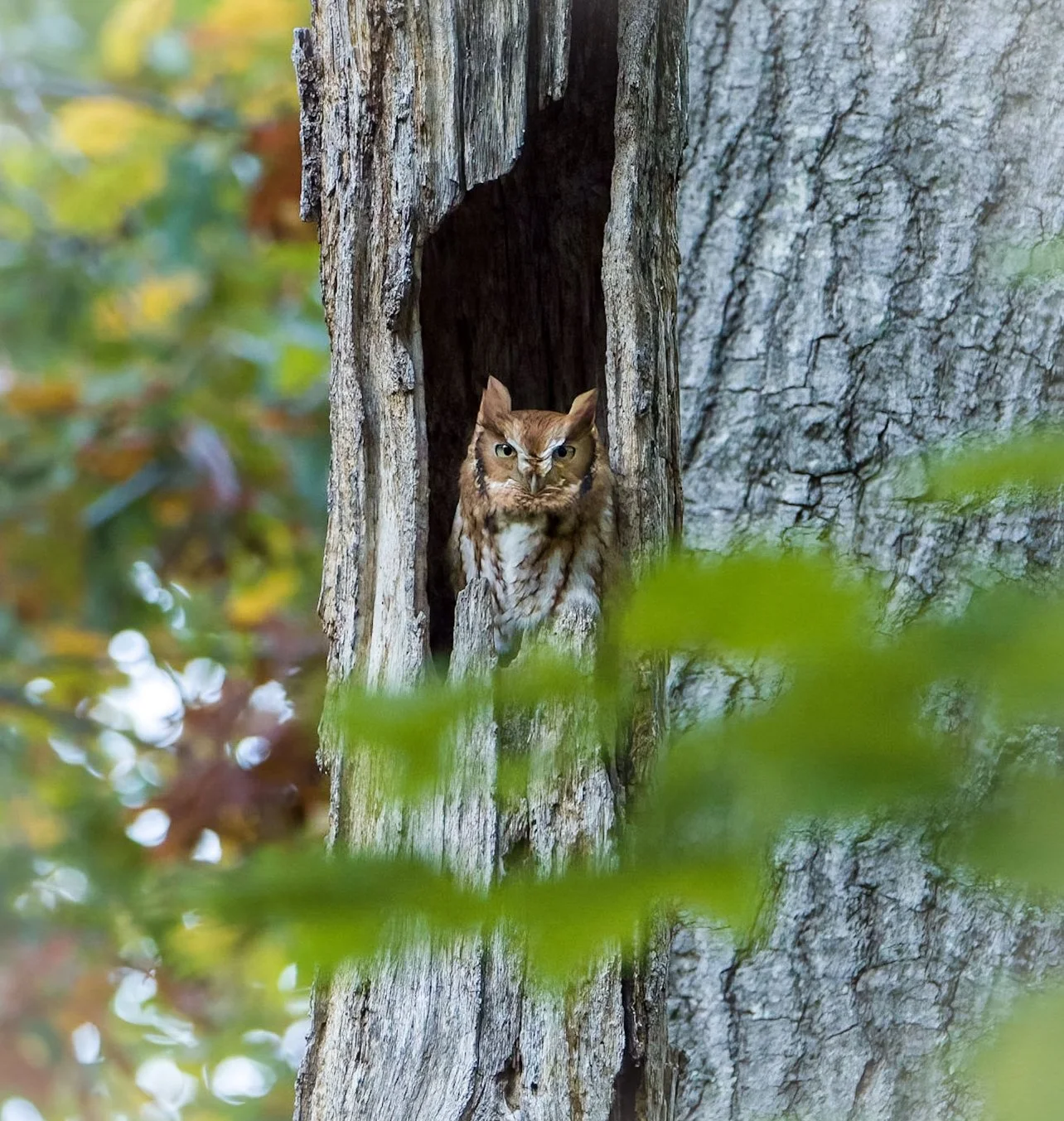
An owl resident of Scudder Preserve. Photo by Emilee Carton, Jersey Shore Wildlife Photography.
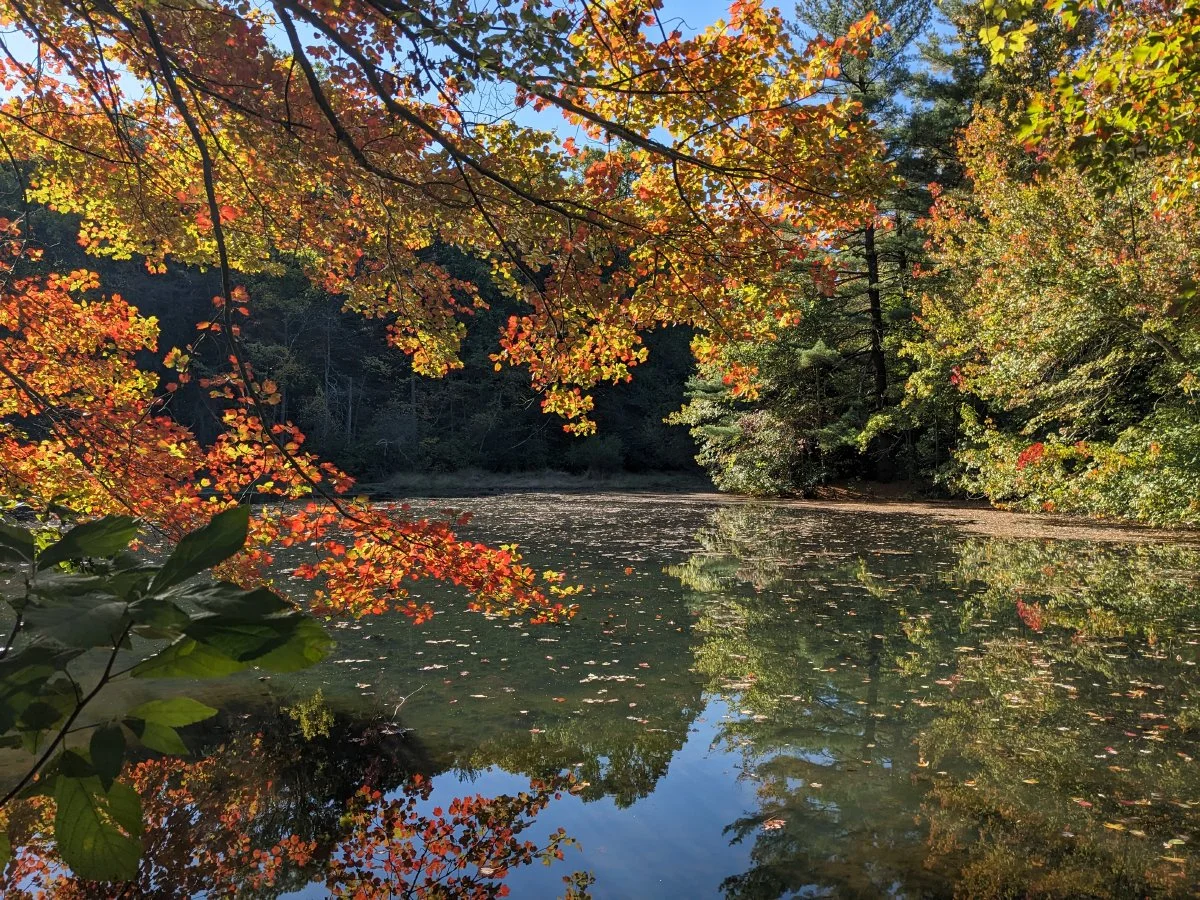
The pond at Scudder Preserve. Photo by DuBois & Associates.
Scudder Preserve has natural features with high ecological value. Photo by DuBois & Associates.
One of the many animals that will benefit from wetland restoration at Scudder Preserve. Photo by Emilee Carton, Jersey Shore Wildlife Photography.
Scudder Preserve’s Signature Tulip Tree. Photo by DuBois & Associates.
Ray Bukowski, NJR's Managing Director of Government Affairs, Communications, and Sustainability, and Katie Feery, NJR's Director of Strategic Initiatives and Sustainability, celebrate the next installment of the Scudder grant distribution with MCF president Matt Cohen and Marty McHugh, chair of the Scudder Preserve Committee. Photo by Bill Kastning.
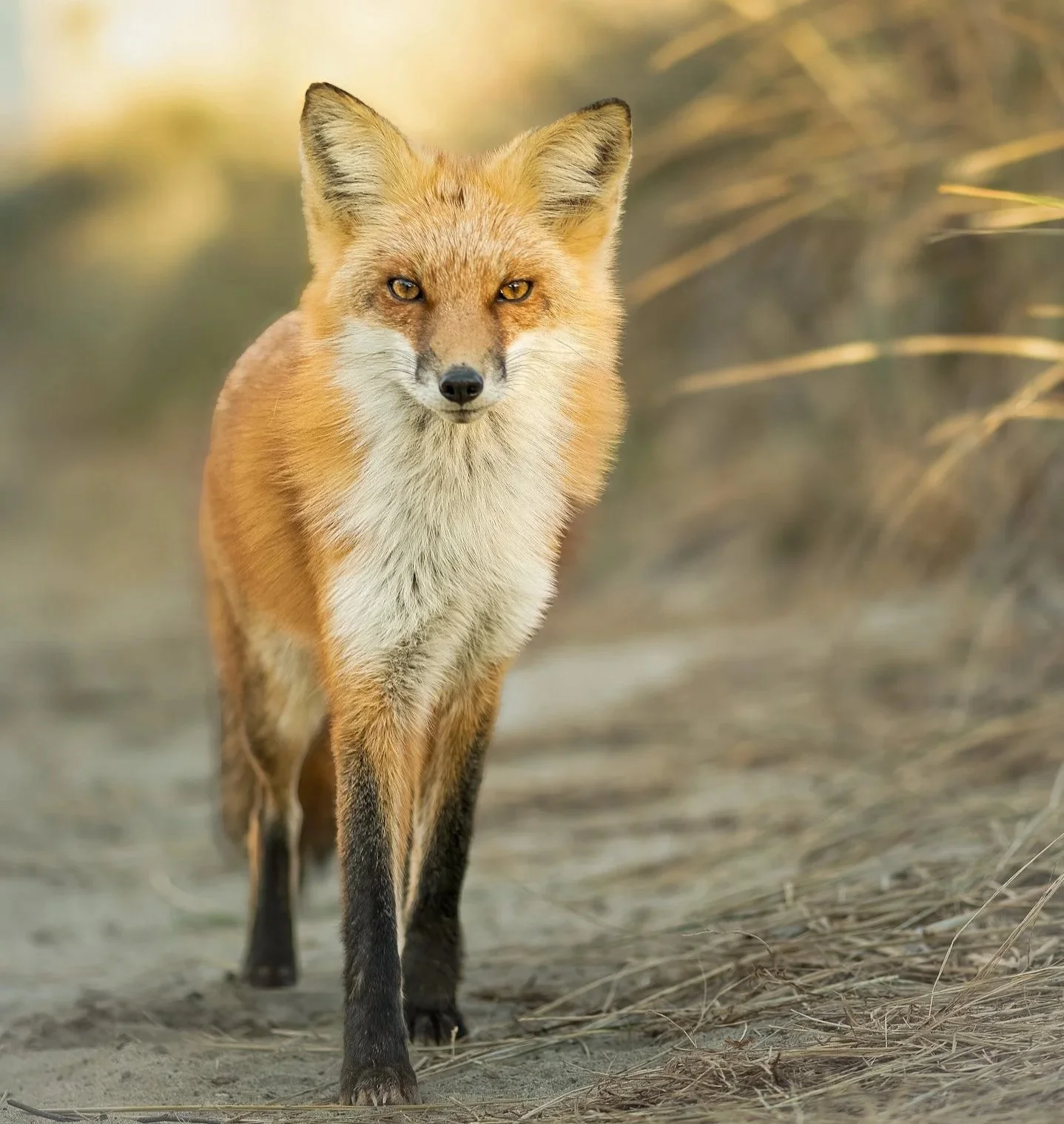
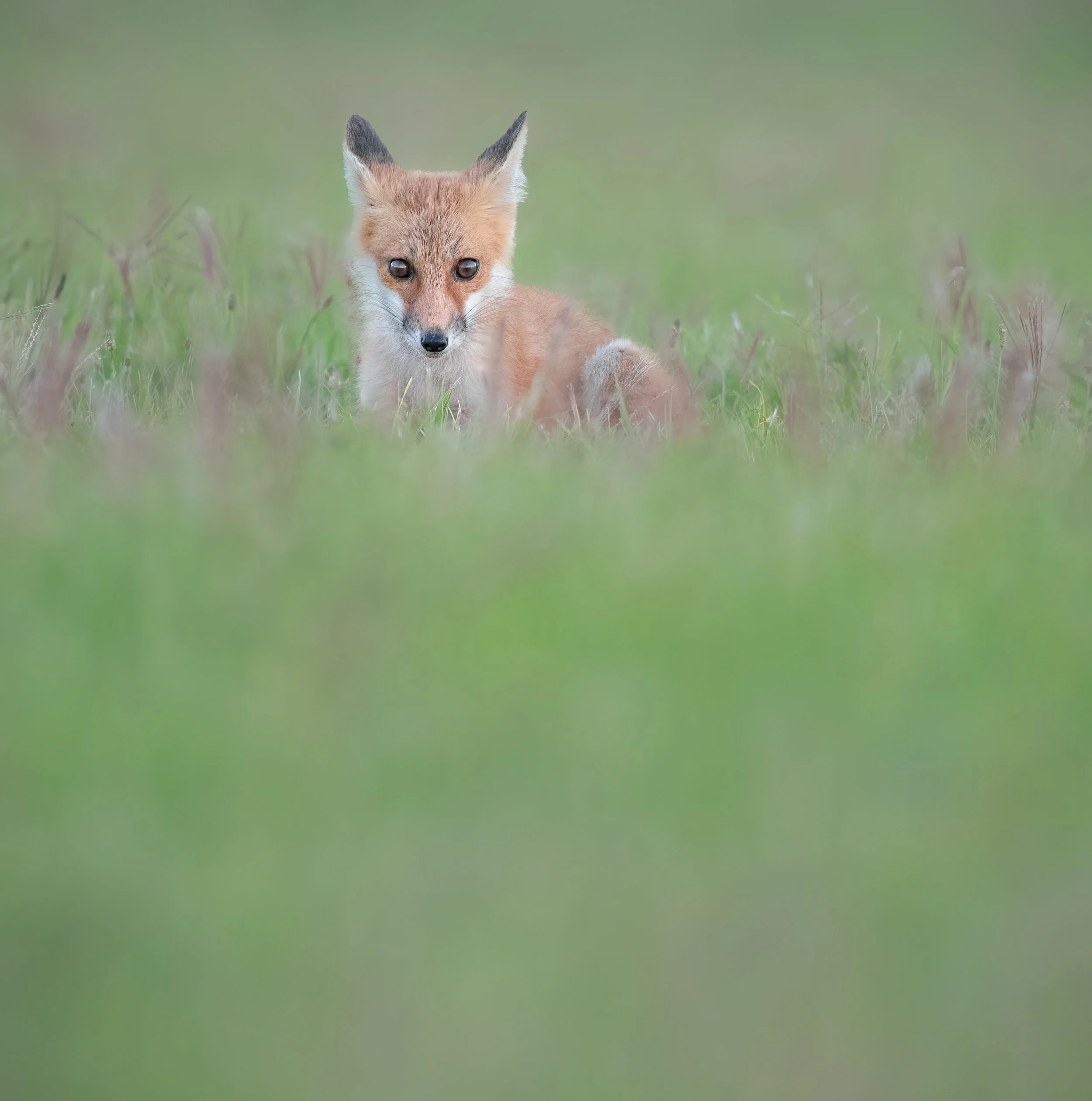
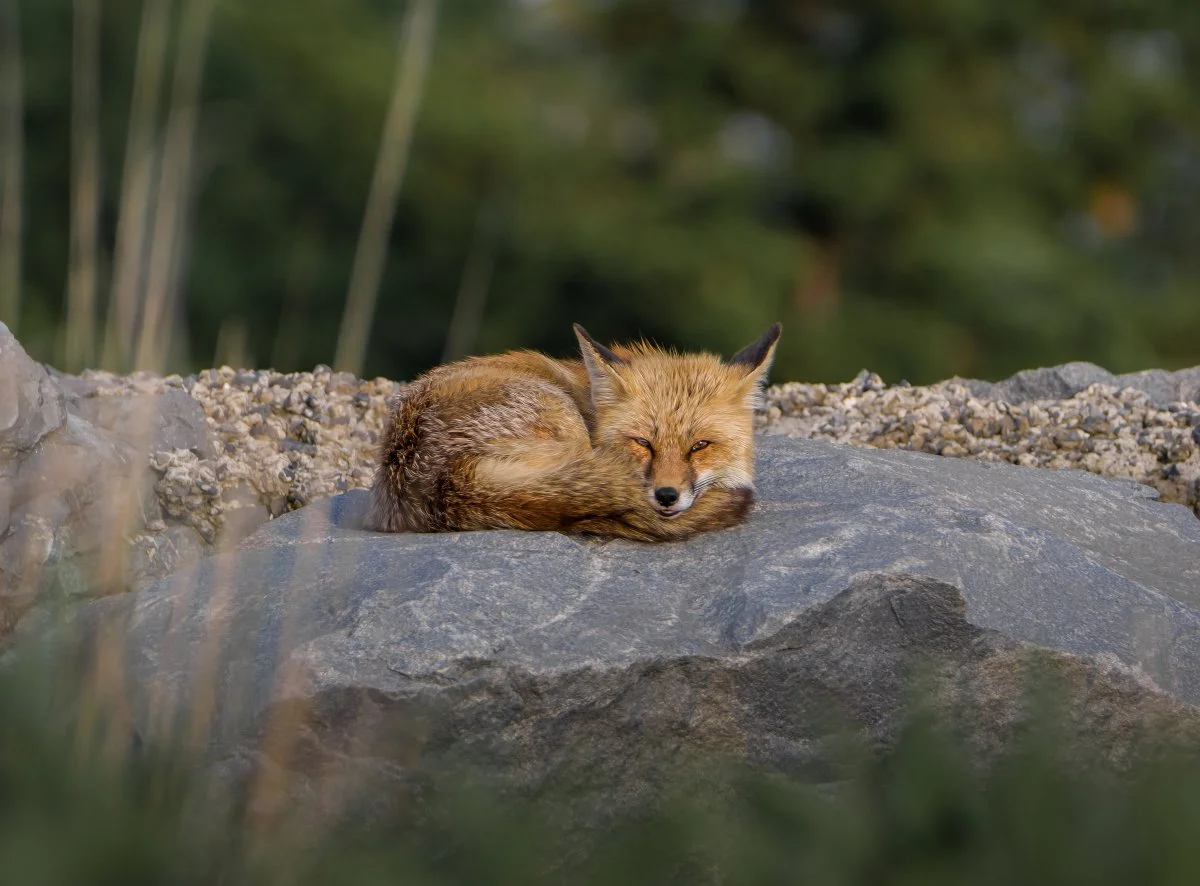
Red foxes are among the many animal species that call Scudder Preserve home. Photo by Emilee Carton, Jersey Shore Wildlife Photography.
The 201-year-old Signature tulip tree at Scudder Preserve. Photo by Kevin Knecht.
Scudder Preserve. Photo by Kevin Knecht.
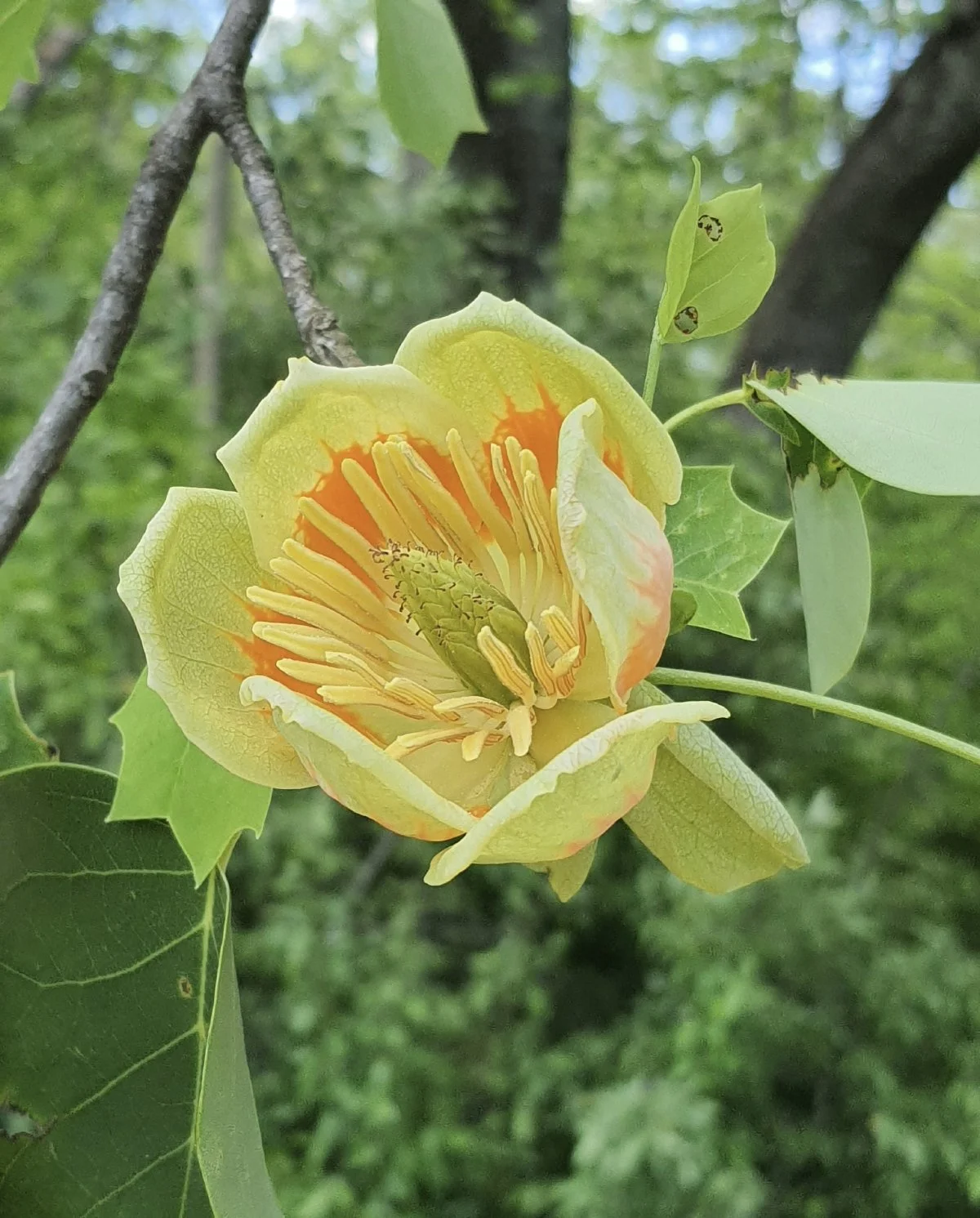
The large blossoms that give tulip trees their name. Photo by Kevin Hall on Unsplash.
Scudder Preserve’s tulip tree. Photo by Jena Cosimo.
Spinella Farm. Photo by Fred Yahn.
White-tailed deer, caught on Spinella Farm wildlife camera. Photo courtesy of the Spinella family.
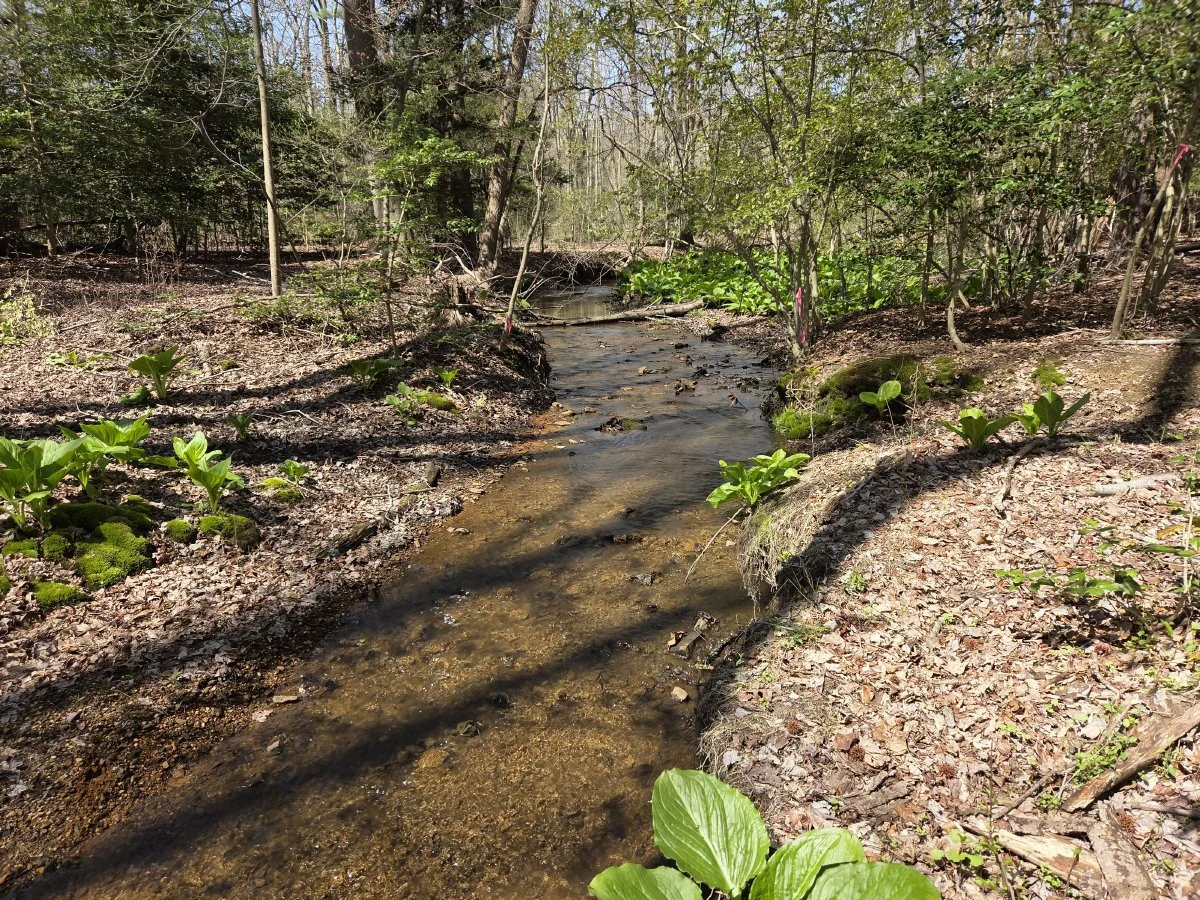
Yellow Brook runs through the Spinella Farm property. Photo by Jena Cosimo.
A grove of chestnut trees on the Spinella Farm property. Photo by Harriet Honigfeld.
Rearing white tail deer, caught on Spinella Farm wildlife camera. Photo courtesy of the Spinella family.
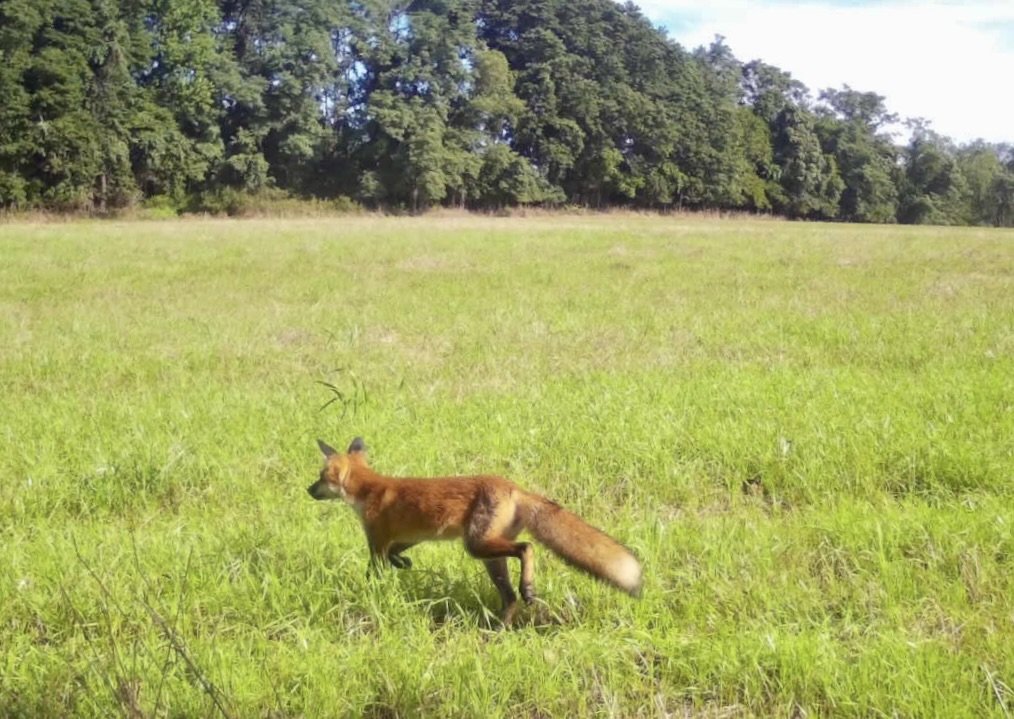
Red fox in a field, caught on Spinella Farm wildlife camera. Photo courtesy of the Spinella family.
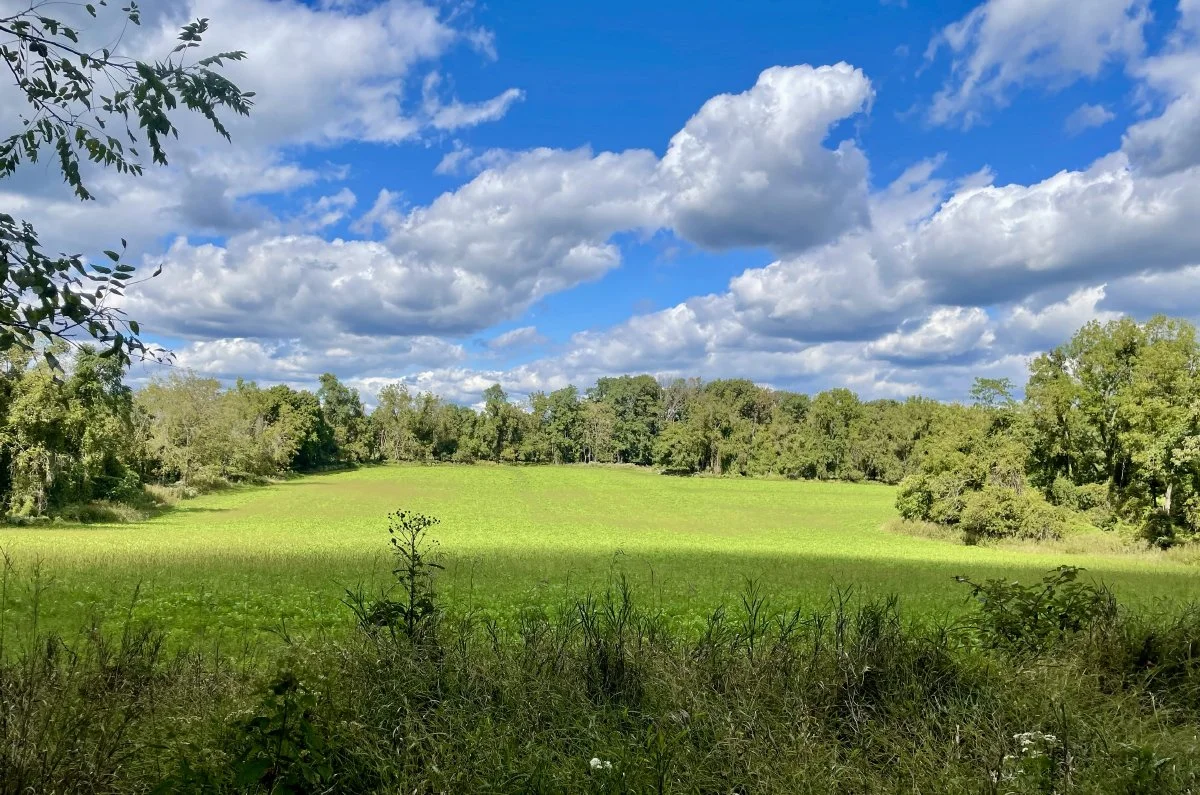
A field at Spinella Farm. Photo by Jena Cosimo.
Contact: Karen Keene
kkeene@monmouthconservation.org
T. 908.839.0324
Graphic awarded by the Land Trust Accreditation Commission
* * * * *
Photo of Dick and Libby courtesy of Jean Scudder.
The pond at Scudder Preserve. Photo by Jena Cosimo.
Photo of Dick Scudder courtesy of Jean Scudder
Photo of Libby Scudder courtesy of Jean Scudder
The four Scudder children, from left to right: Carolyn, Holly, Jean, and Charles. Photo courtesy of Jean Scudder.
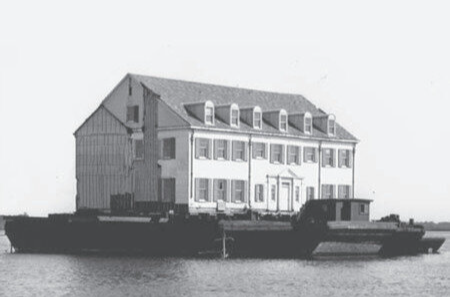
The Main Clubhouse, built by Edward Scudder, being transported by barge to the Rumson Country Club. Photo courtesy of The Rumson Country Club.
A trail at Scudder Preserve. Photo by Kevin Knecht.
Scudder Preserve.
Photo by Kevin Knecht.
Photo by Mathew Schwartz on Unsplash
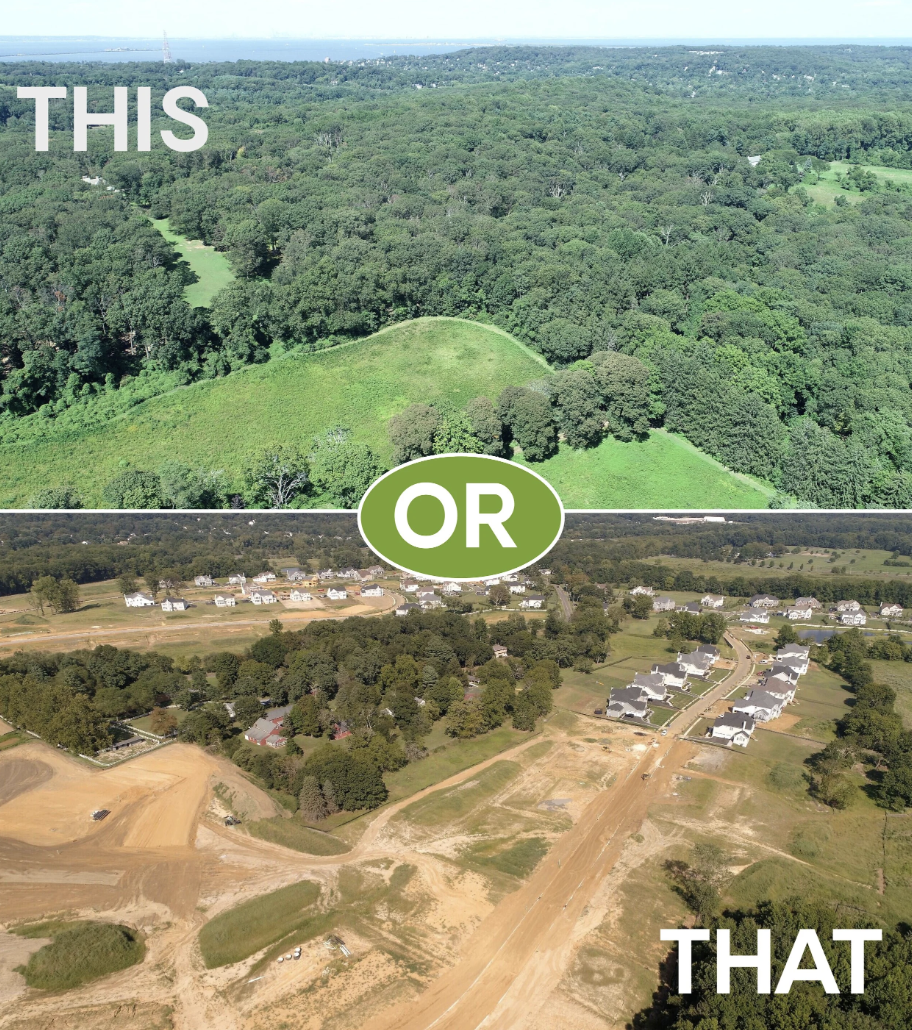
Habitat loss due to development is a contributing factor to human-wildlife conflict in Monmouth County. Photo by Fred Yahn
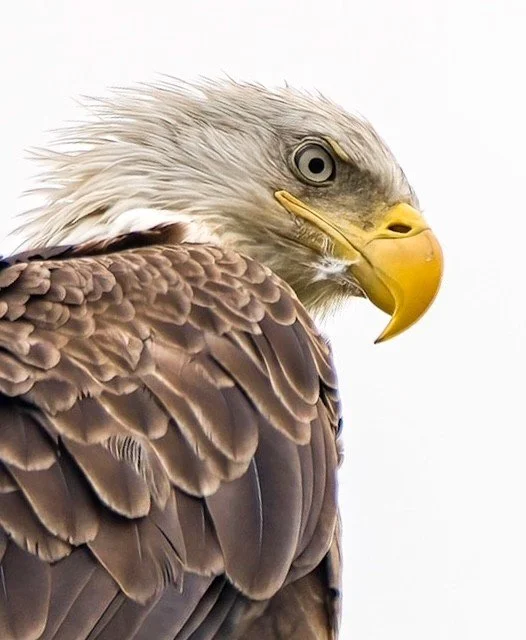
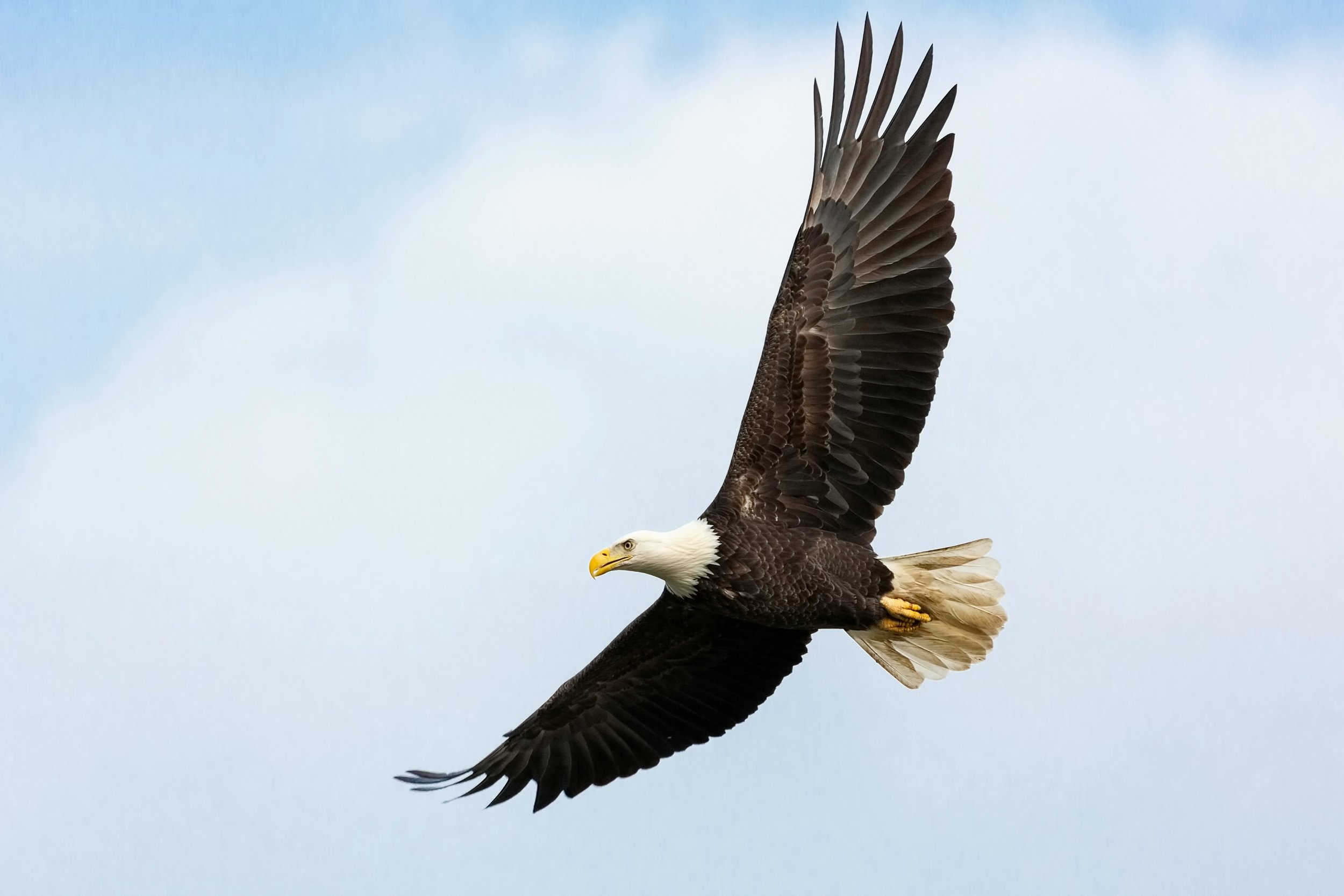
MCF is proud to steward open spaces that allow wildlife like bald eagles to thrive. Photo by Jena Cosimo
Land preservation affords many benefits to property owners and the public. For farmers, it can be a powerful tool to make their land more affordable and expand their business. The Linney Family of Howell, New Jersey is a perfect example, having grown and flourished their wholesale nursery business – Linwyck Gardens Wholesale Farm & Greenhouses over three decades, thanks to their hard work and commitment to land preservation.
Linwyck Gardens. Photo courtesy of the Linney Family.
Lissa and John Linney. Photo by Jena Cosimo.
The Linneys began their farm at the crossroads of Freehold, Howell, and Colts Neck in 1988 with one greenhouse, sharing the land with their home, which dates back to the early 1700s. John Linney grew up in Colts Neck and had taken riding lessons at a horse farm close to his future property. He always liked the house and plot of land, leading John at age 27 with his wife, Lissa, to purchase it with his parents’ help.
“Growing up, this was the last house on Five Points Road before a long stretch of farms. It was mostly farm kids in school. Now, much of this area has been developed, and farmers have been replaced by executives and people commuting to the city,” said John Linney.
When they purchased their farm home, John and Lissa had just begun their chemical Lawn Care company. The couple met in the early 80’s when John worked at a large thoroughbred farm that had been converted to cattle and grain and Lissa worked at the local general store.
After years of building a successful lawn care business, they made the decision in 2000 to sell the company and devote themselves full-time to greenhouse agriculture—a passion of Lissa’s—on their newly acquired farmland.
Though Linwyck Gardens was originally established in 1988, it was only then that it became their central focus. What began as a handful of small greenhouses has since grown into a flourishing operation, now encompassing approximately 3 acres of greenhouse space and 40 acres of land. Over the years, they have expanded their offerings to include annuals, shrubs, hay, straw, and a vibrant selection of fall ornamentals. They start their crops from seed and plug or unrooted cuttings, and their biggest product is SunPatiens. The farm services customers including landscaping professionals, garden centers, golf courses, and fundraising organizations.
John and Lissa’s two children, Katelyn and Sean, are actively involved in running the business. Sean, who has been with the operation for about eight years, manages the crew and most aspects of the farm, while Katelyn has been overseeing the office, sales, and assisting Lissa with the inventory system and production schedule for the past two years. John focuses on management and finances.
Katelyn, Lissa, and John, and Sean Linney. Photo courtesy of the Linney Family.
Preservation Story
The Linneys preserved their original farm in 2006. The family retained ownership of their 11.5-acre homestead and farmland, but relinquished development rights and permanently preserved the land through the New Jersey Department of Agriculture’s Farmland Preservation Program. This was done in partnership with the State Agriculture Development Committee (SADC), Monmouth County through their Monmouth County Agriculture Development Board (MCADB), and Howell Township. Together, these partners purchased an agricultural easement, forever restricting development and ensuring the land will be forever available for agriculture.
Linwyck Gardens. Photo courtesy of the Linney Family.
Linwyck Gardens was one of the early farms preserved in their area. While other landowners opted to sell their land to residential or warehouse developers, the Linney family saw an opportunity to preserve their farming way of life and benefit their community by retaining green space, both while earning income through the easement purchase revenue.
Sean and John Linney. Photo by Jena Cosimo.
Chase and Clifford, the Linney Family dogs. Photo courtesy of the Linney Family.
Expanding from their success, the Linneys purchased a second farm close by, dedicated to hay, straw, pumpkins, corn stalks, and gourds. In total, the family farms about 52 acres of their own or leased land.
Photo by Jena Cosimo.
In 2023, the Linneys preserved their second farm (26 acres) via the same program and partners as their first preservation effort. This time, MCF assisted with the appraisal process through a collaborative agreement with Howell Township. As a nonprofit land trust, MCF works with municipalities across Monmouth County to help facilitate land preservation and stewardship projects in a variety of ways.
“MCF congratulates the state, county, and local partners and applauds the Linney Family for working together to permanently preserve these farmlands. We are honored to have played a small role in the second preservation effort and to continue working with all involved on future projects,” said MCF Executive Director Bill Kastning.
Photo courtesy of the Linney Family.
Photo by Karen Keene.
Photo courtesy of the Linney Family.
Photo by Jena Cosimo.
Photo by Karen Keene.
Photo by Jena Cosimo.
Photo by Kelly Sikkema on Unsplash
Scudder Preserve Pond. Photo by Kevin Knecht.
Edgemere Park Pollinator Garden. Photos courtesy of Sea Girt Conservancy.
Rumson Garden Club’s Native Plant Garden at Jackson Woods Park. Photo by Karen Keene.
Rumson Garden Club Members with Friends of Jackson Woods’ Founder, Kathy Buchan (center). Photo courtesy of Friends of Jackson Woods.
Concept Plan for Edgemere Park Pollinator Garden Designed by Flower to the People.
To follow news about Scudder Preserve News, click here
Scudder Preserve Pond. Photo by Kevin Knecht.
Scudder Preserve Pond. Photo by Jena Cosimo.
To follow news about Scudder Preserve News, click here
About Monmouth Conservation Foundation
Founded in 1977, Monmouth Conservation Foundation (MCF) works to acquire and preserve open space and farmland and conserve natural habitats throughout Monmouth County in support of outdoor recreation, agriculture, clean water, and wildlife for long-term sustainability. An independent nonprofit organization that works with Monmouth County and its 53 municipalities, MCF’s vision is to lead conservation and education efforts to preserve and protect our natural environment, so all individuals and communities have access to and can benefit from open space and nature for generations to come. MCF received accreditation by the Land Trust Accreditation Commission in 2014 and has continued to maintain this status since. Accreditation is awarded to land trusts meeting the highest national standards for excellence and conservation permanence. MCF is one of 480 accredited land trusts out of 1,281 nationwide. For more information, visit www.monmouthconservation.org.
About American Water
American Water (NYSE: AWK) is the largest regulated water and wastewater utility company in the United States. With a history dating back to 1886, We Keep Life Flowing® by providing safe, clean, reliable and affordable drinking water and wastewater services to more than 14 million people with regulated operations in 14 states and on 18 military installations. American Water's 6,700 talented professionals leverage their significant expertise and the company’s national size and scale to achieve excellent outcomes for the benefit of customers, employees, investors and other stakeholders.
For more information, visit amwater.com and join American Water on LinkedIn, Facebook, X and Instagram.
About American Water Charitable Foundation
The American Water Charitable Foundation, a philanthropic non-profit organization established by American Water (NYSE: AWK), focuses on three pillars of giving: Water, People, and Communities. Since 2012, the Foundation has invested more than $20 million in funding through grants and matching gifts to support eligible organizations in communities served by American Water. The Foundation is funded by American Water shareholders and has no impact on customer rates. For more information, visit amwater.com/awcf.
By Karen Keene
Photo by Kelsey Knight on Unsplash
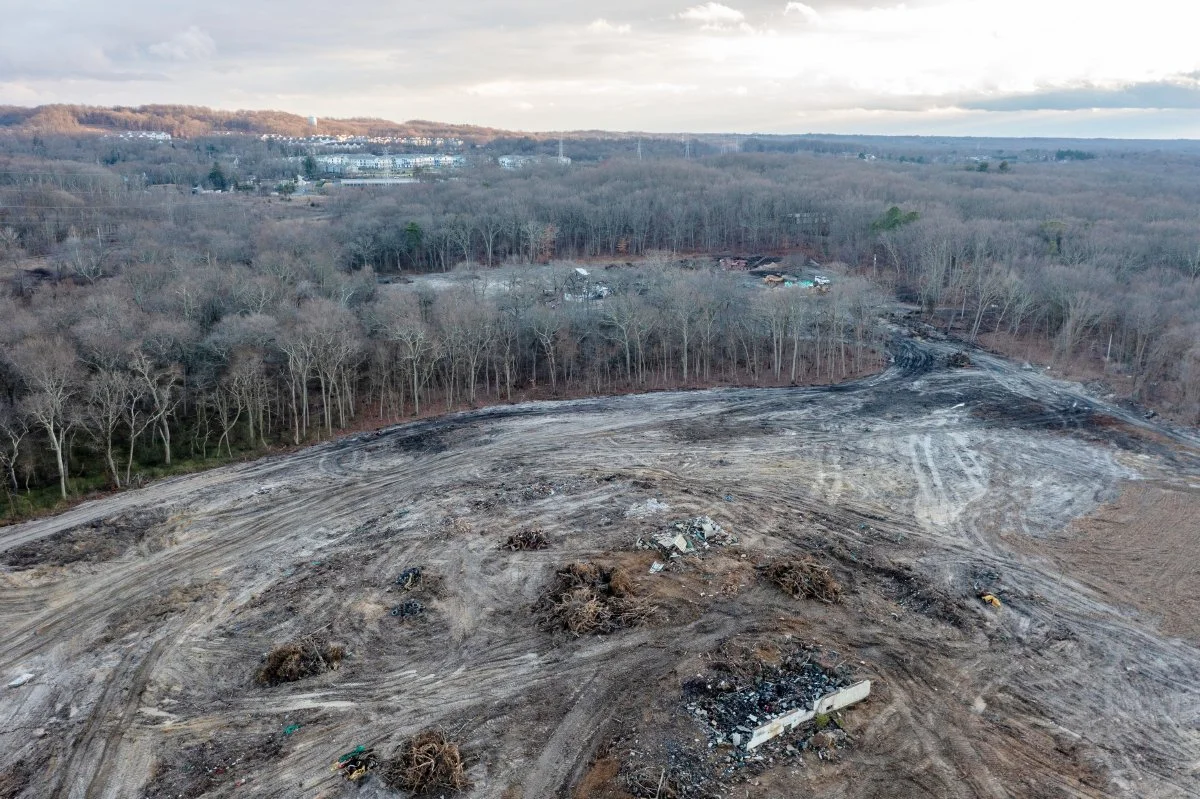
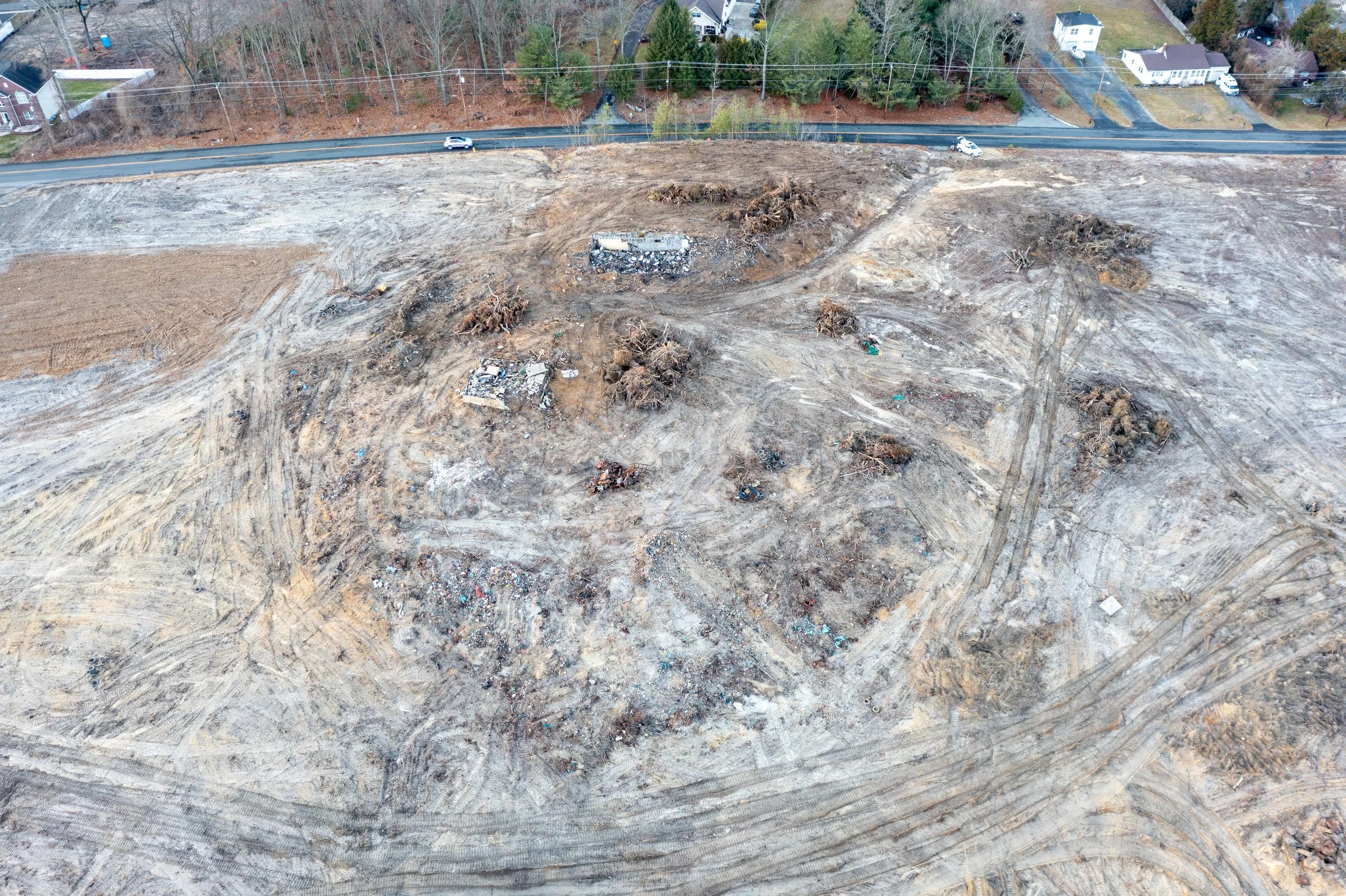
Red Bank’s former landfill being transformed into a community park with MCF’s help. Photo by Fred Yahn, Eagle Drone Solutions.
Hunts Crossing 84-Acre Easement at McClees Creek, Middletown Township. Photo by Fred Yahn, Eagle Drone Solutions.
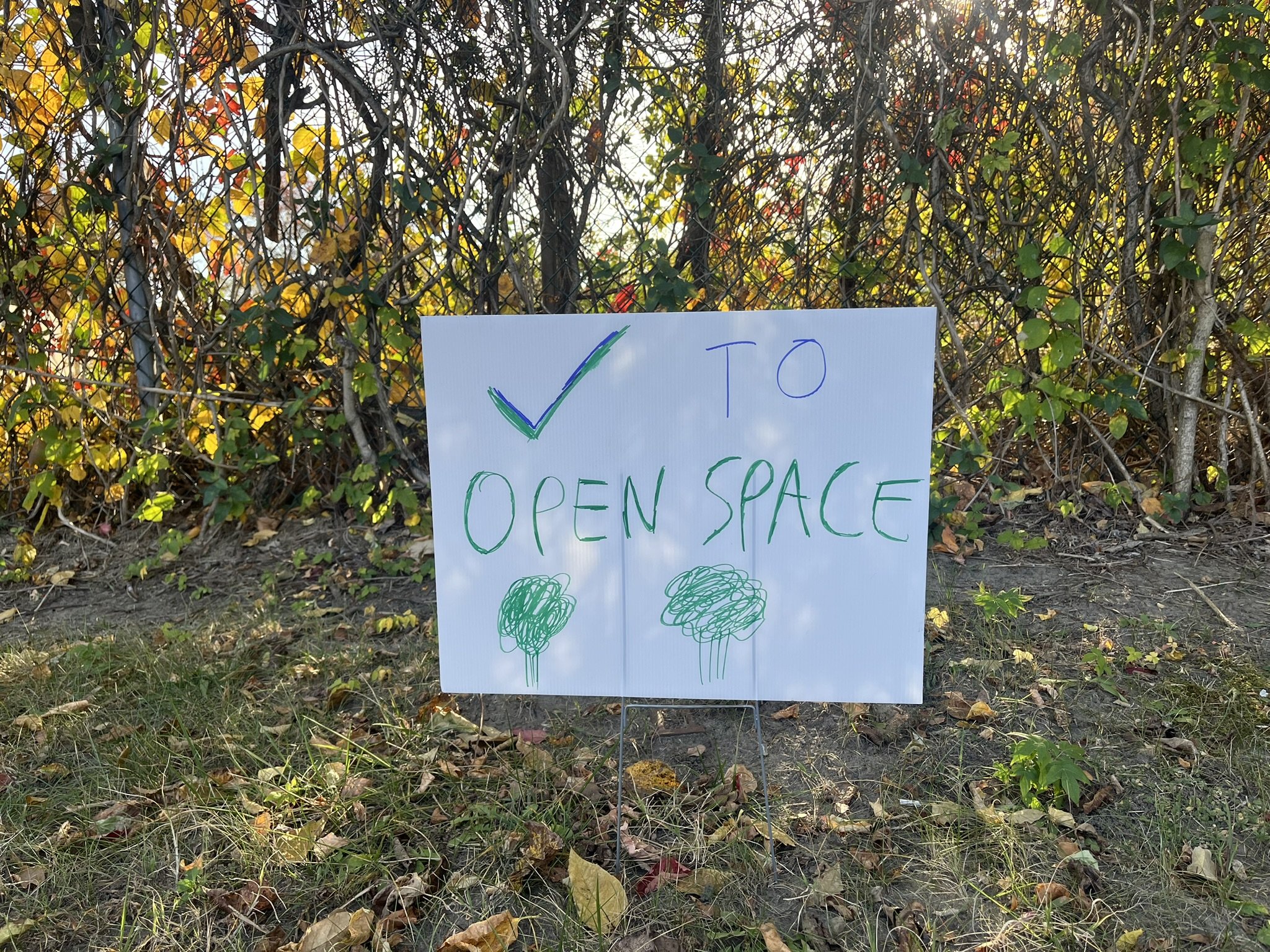
Handmade sign spotted during the fall 2024 election season, encouraging NJ voters to support open space programs. Photo by Karen Keene.
Photo courtesy of Samaha’s Farm
Samaha’s Farm, famous for its sweet corn, has been a mainstay in Monmouth County, New Jersey for over 60 years. Today, three generations of the Samaha Family are involved in farming their own land in Aberdeen, as well as farms across the County, and running their beloved farm market. Our team at MCF has gotten to know the Samahas very well in recent years, as they work with us and partners to permanently preserve their farmland and carry on their community-oriented legacy of hard work, sustainable farming, and delicious produce. The Samaha family’s story is a quintessential example of the many, increasing challenges farmers face, and how their strong will and the public’s support keep farmers and their farms going – for everyone’s benefit.
Samahas’ farming story began in 1958 when 12-year-old John Samaha fulfilled his dream of working on a farm after his mother shared a newspaper ad for “Farm Hand: $1 Per Hour.” In 1963, John officially opened Samaha’s Farm as a small wagon on the side of Lloyd Road in his hometown of Aberdeen – just a few hundred feet from the location of today’s farm market.
John Samaha, 1962. Photo courtesy of Samaha’s Farm.
Original Farm Wagon. Photo courtesy of Samaha’s Farm.
Fruit and vegetable sales from the farm wagon supported John’s college pursuits, and he ultimately earned a music education degree in 1967 from William Paterson College (now William Paterson University). John continued farming to supplement his salary as a music teacher, as he built his family. He married the love of his life, Yvonne, in 1976, and three years later, expanded the business into a permanent, open-air farm market that still stands today, known to many as “The Corn Store.”
Samaha’s Farm Store in the 1970s. Photo courtesy of Samaha’s Farm.
Yvonne and John had three daughters together, each of whom grew up helping with the farm and market. Their middle daughter, Nora, really took to farm life – so much so, that in a third-grade project, she vowed to become a teacher and a farmer, and she has made both a reality! Through her high school and college years, Nora began taking on an increasingly integral role in the family business. Between semesters, and then as she began her teaching career in Hazlet, Nora ran the farm market.
Nora’s husband, Marcus Pettyjohn Jr., felt the same draw to farming and began learning the secrets of farming from John, while he ran his successful landscaping company and studied horticulture. Several years later, Marcus transitioned his career to full-time farming, as Nora continued teaching and ultimately took over management of the farm market and the marketing and IT aspects of the business.
The couple has three children of their own, who love taking part in the farm and market. Their family lives on their own small farm in Morganville, where they recently opened a small satellite farm market – Samaha’s on the Homestead. Marcus also serves on the Monmouth County Board of Agriculture, which seeks to preserve the agriculture industry and farming throughout the county relevant to the County’s Farmland Preservation Plan.
Yvonne Samaha, pictured here in the 1970s, ran the farm store for many years. Photo courtesy of Samaha’s Farm.
Yvonne and John Samaha. Photo courtesy of Samaha’s Farm.
The Pettyjohn Family. Photo courtesy of Samaha’s Farm
Brothers Richard and John Samaha collectively own 17.4 acres of land in Aberdeen, which serve as the family farm headquarters and the location for the main farm store. Sweet corn is their biggest product, but their tomatoes, eggplants, peppers, and zucchinis are also popular. Samaha’s Farm exclusively grows produce that is not genetically modified – meaning the genetic makeup of their crops has not been altered, known commonly as non-GMO.
Corn field at Samaha’s Farm. Photo courtesy of Samaha’s Farm.
The Samaha’s Farm farms a total of 120 acres, working their own land and leasing land locally in Colts Neck, Holmdel, and Marlboro – much of which is preserved farmland. Additional, locally sourced produce, flowers, and other farm products are sold at the farm market. Samaha-grown produce can be found in local stores like Dearborn Market and Delicious Orchards. The Samahas also regularly donate surplus items from their harvest to local food pantries.
Jersey Tomatoes growing on fields leased by the Samahas in Holmdel. Photo courtesy of Samaha’s Farm.
Richard and John Samaha as children. Photo courtesy of Samaha’s Farm.
Both Richard and John feel strongly about conserving farmland and their way of life. While Richard finds passion tinkering with heavy machinery, the brothers’ values are aligned, and their support for each other is unwavering. Richard, who owns the lion share of their farmland in Aberdeen, has fended off developers wanting to buy their land and build high-density housing for decades.
Samaha’s Farm stands today as the only remaining farmland in the Aberdeen area. Facing continuous development pressure, John suggested preservation, and the family reached out to us at MCF. Since 2022, we have been working with the Samahas, Aberdeen Township, and Monmouth County to collaboratively preserve their land, forever. We continue to work to secure the necessary funding to purchase conservation easements on the land and hope to preserve Samaha’s.
Aerial of a portion of Samaha’s Farm. Photo by Fred Yahn, Eagle Drone Solutions.
Since childhood, the Samahas have watched farmland and green space get developed repeatedly – a scenario most of us know all too well. Monmouth County’s farmland has shown a significant decline since the 1950’s. One example - the historic Hop Brook Farm in Holmdel, a plot of land the Samahas currently farm, once boasted roughly 140 acres. Today, only 25 acres remain.

Many times, public outcry comes too late when news breaks of a farm being sold or a green space being developed, and they are lost forever. We must be proactive, before it's too late. Residents can speak up for farmland and green space preservation and support open space programs through their local government. They can also support nonprofit land trusts like MCF who help facilitate land preservation.
Nora and Marcus Pettyjohn, Jr. Photo courtesy of Samaha’s Farm.
Another big part of the solution is to support local farms. Purchasing local farm products and participating in agritourism activities creates a demand for farmers and farms. In an age of convenience with big box stores and ultra-fast delivery, it’s easy to be persuaded to forego local options, but building your local farm(s) into your routine puts fresh, nutritious food on your table and keeps the farming profitable – keeping farmers in business and developers at bay.
Patronizing local farms is also an enriching experience. It’s a great way to teach children where our food comes from, and many local farms like Samaha’s offer fun and educational agritourism activities. From pick-your-own experiences to farming demonstrations, to hayrides and corn mazes, to petting zoos and pony rides, there is so much to see and do.
At Samaha’s Annual Fall Festival, guests can enjoy a pumpkin patch, music and entertainment, narrated hayrides complete with kids’ jokes and an animated hunt for the Witch of Aberdeen, animal encounters, bounce houses and slides, and more. To learn more about local farms and agritourism in our area visit Grown in Monmouth, a program of the Monmouth County Board of County Commissioners developed to promote our agricultural industry.
Samaha’s Farm Pumpkin Patch. Photo by Karen Keene.
Photo courtesy of Samaha’s Farm
Farming offers countless benefits but comes with myriad challenges. Year-round, farmers are planning, innovating, and implementing to prepare for the upcoming growing season and combat these challenges.
“We are at the mercy of the Lord, and I talk to him every day,” said John Samaha.
Aside from development pressures for housing and commercial uses like warehouses, farmers must navigate the earth’s changing climate and unpredictable weather. Last year, New Jersey experienced a record-setting drought, which impacted harvests, and in other years, damaging storms have knocked down or washed away fields.
Wildlife poses additional obstacles. Farmers must employ innovative strategies to fend off destructive populations of animals like deer, geese, and blackbirds, who would otherwise ravage their crops.
Farmers are constantly battling pests and diseases. The Samaha’s utilize integrated pest management (IPM), a science-based method using a variety of techniques to control pests that do not rely primarily on pesticides. Like many farmers, the Samahas seek guidance from experts at the Rutgers University New Jersey Agricultural Experiment Station.
Corn field at Samaha’s Farm. Photo courtesy of Samaha’s Farm.
As in most industries, farmers are also at the mercy of the supply chain. Prices for seed, equipment, fertilizer, fuel, and almost every other input continue to rise. Maintaining a skilled workforce and reliable farm workers is also a challenge. Samaha’s Farm participates in the H-2A Visa program, which allows foreign workers to legally come to the United States on a temporary visa to perform agricultural labor. The program is intended to help employers who are unable to find enough domestic workers.
With the average age of farmers on the rise and fewer young people looking to become farmers, the future of many farm operations is unknown. Unlike many farmers, the Samaha family (and our community) are blessed to have their family-owned and operated farm business with next generation farmers committed to the farm.
Farming is a year-round, sunup to sundown labor of love. Through and through, the Samaha Family is dedicated to farmland, farm life, and our community. After spending just a few minutes with the family, it’s abundantly clear that the Samahas are in this together and in this to stay. It truly is a family affair.
Nora and Marcus Pettyjohn Jr.
Photo courtesy of Samaha’s Farm.
John and Richard Samaha. Photo courtesy of Samaha’s Farm.