
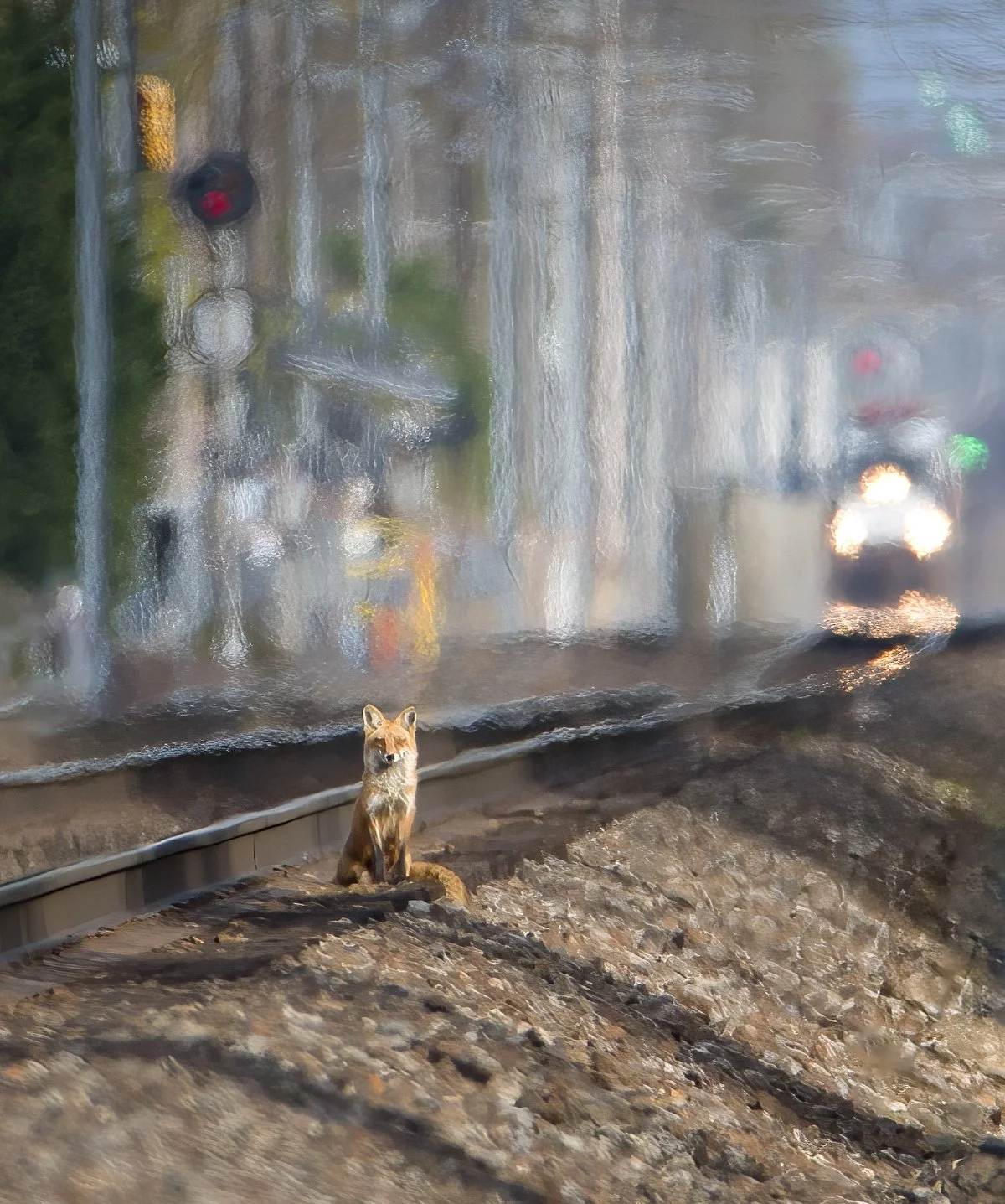
“Habitat Loss.” Photo by Emilee Carton, Jersey Shore Wildlife Photography.
In 2022, local wildlife photographer and Monmouth Conservation Foundation (MCF) partner Emilee Carton came across a fox perched along the train tracks in Little Silver. The situation was curious, as a train was rapidly approaching. Emilee snapped this poignant image and crept closer, determined to find out why the fox refused to move. She soon realized the fox had a baby that lay injured in the tracks. It had been clipped by a previous train.
Fortunately for both foxes, Emilee had experience handling injured wildlife, and she acted quickly. She called a wildlife rehabilitation center who had time to prepare for emergency surgery before Emilee arrived, cradling the motionless baby fox. The mother fox, who had refused to leave her baby’s side until it was rescued, slipped into the brush and disappeared. In time, the fox kit grew up healthy and was eventually re-released into the wild.
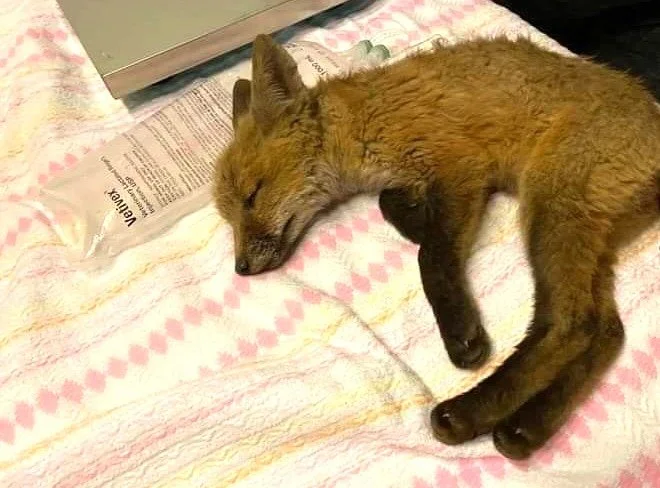
The rescued fox kit, who was eventually released into the wild. Photo by Emilee Carton, Jersey Shore Wildlife Photography.
This experience inspired Emilee’s journey to becoming a licensed New Jersey animal control officer and, later, to volunteer for MCF. She has since witnessed similar moments where nature and society collide. While this chapter of the story ended happily for the little fox, the encounter speaks to a wider issue.
Development pressures in Monmouth County are real and accelerating. The “train” is coming, but there is still time to make thoughtful choices that define the future of our region. If development goes unchecked, both people and wildlife will face the consequences of reduced green space. This includes greater flooding risk, pollution, strained utility infrastructure, noise burdens, and traffic congestion, and the gradual erosion of quality of life.
“Once farmland and natural corridors are gone, that loss is permanent,” Jena Cosimo, MCF’s Director of Acquisitions, shares. “While development is an essential fact of progress, the consequences of getting it wrong are serious. Smart land-use planning and environmental review prevent costly mistakes and determine long-lasting community benefits that maintain the value of our land forever.”
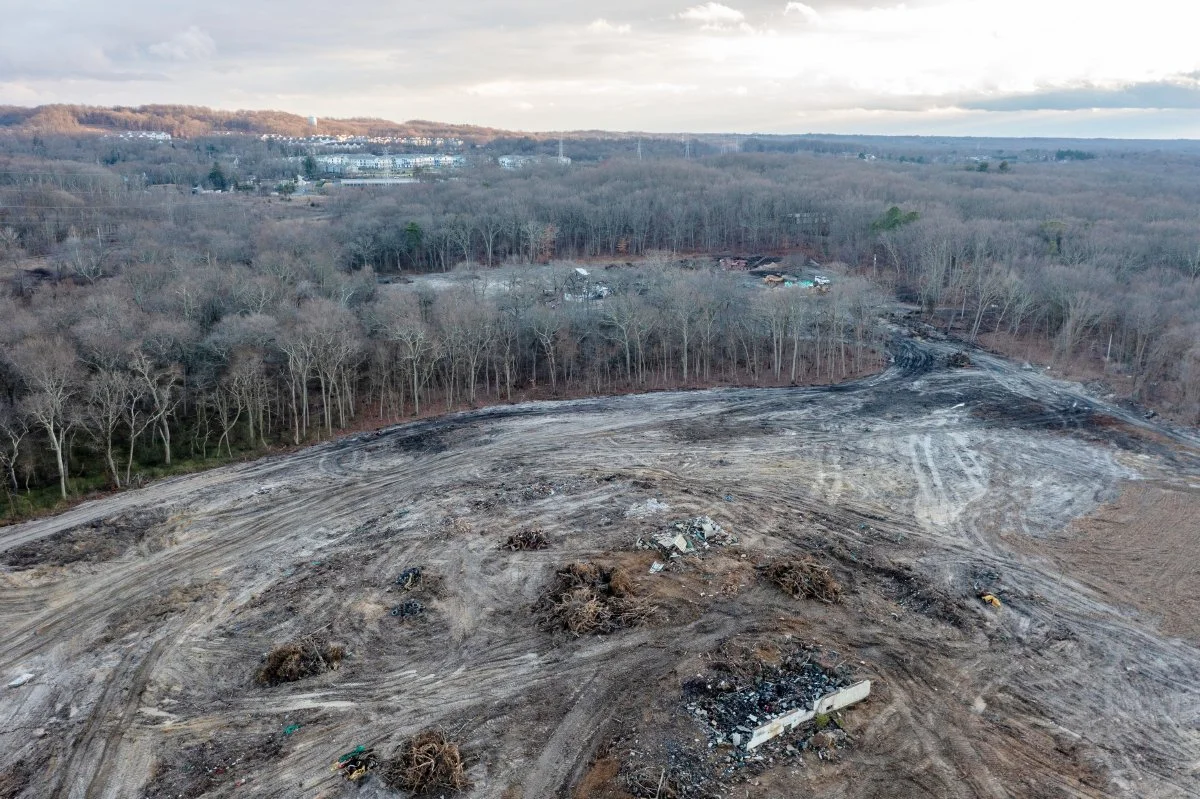
Habitat fragmentation impacts all life in Monmouth County. Photo by Fred Yahn, Eagle Drone Solutions.
As a nonprofit land trust, Monmouth Conservation Foundation works with private landowners and government and community partners to facilitate land preservation. We do not oppose development but champion thoughtful, strategic community planning that makes room for the future without sacrificing the green spaces and natural habitats that define Monmouth County’s character. Our work to permanently preserve land is made possible by the support of generous donors and a dedicated community of citizens who are just as passionate as we are.
MCF carefully considers the conservation values of areas not yet preserved or developed. We prioritize land opportunities by their ecological characteristics, like whether it contains sensitive natural resources, or will create wildlife corridors that connect to other green spaces. We take this strategic approach because land conservation and community vitality are deeply intertwined.
Open spaces enhance quality of life for all living things, providing countless shared benefits. Ultimately, more green space improves the air we breathe, the water we drink, and supports the long-term sustainability of our communities. Monmouth County’s rich farmland, coastal communities, beaches, and forestland form a rare blend in New Jersey, giving residents access to nature within minutes. The unique connection people form to natural surroundings is called our “sense of place,” and Monmouth County’s special environment attracts families, businesses, and visitors, which strengthens both our community identity and local economy.
Ironically, this desirability comes with significant pressure to develop. Monmouth County’s environmental appeal generates an ever-present demand for high-density housing and commercial outfits. It’s no surprise, therefore, that New Jersey is the most densely populated state in the nation. For agricultural enterprises falling on hard times, selling land can feel like a lifeline. But when warehouses or oversized developments dominate the landscape, the negative impacts extend beyond conflicts with wildlife.
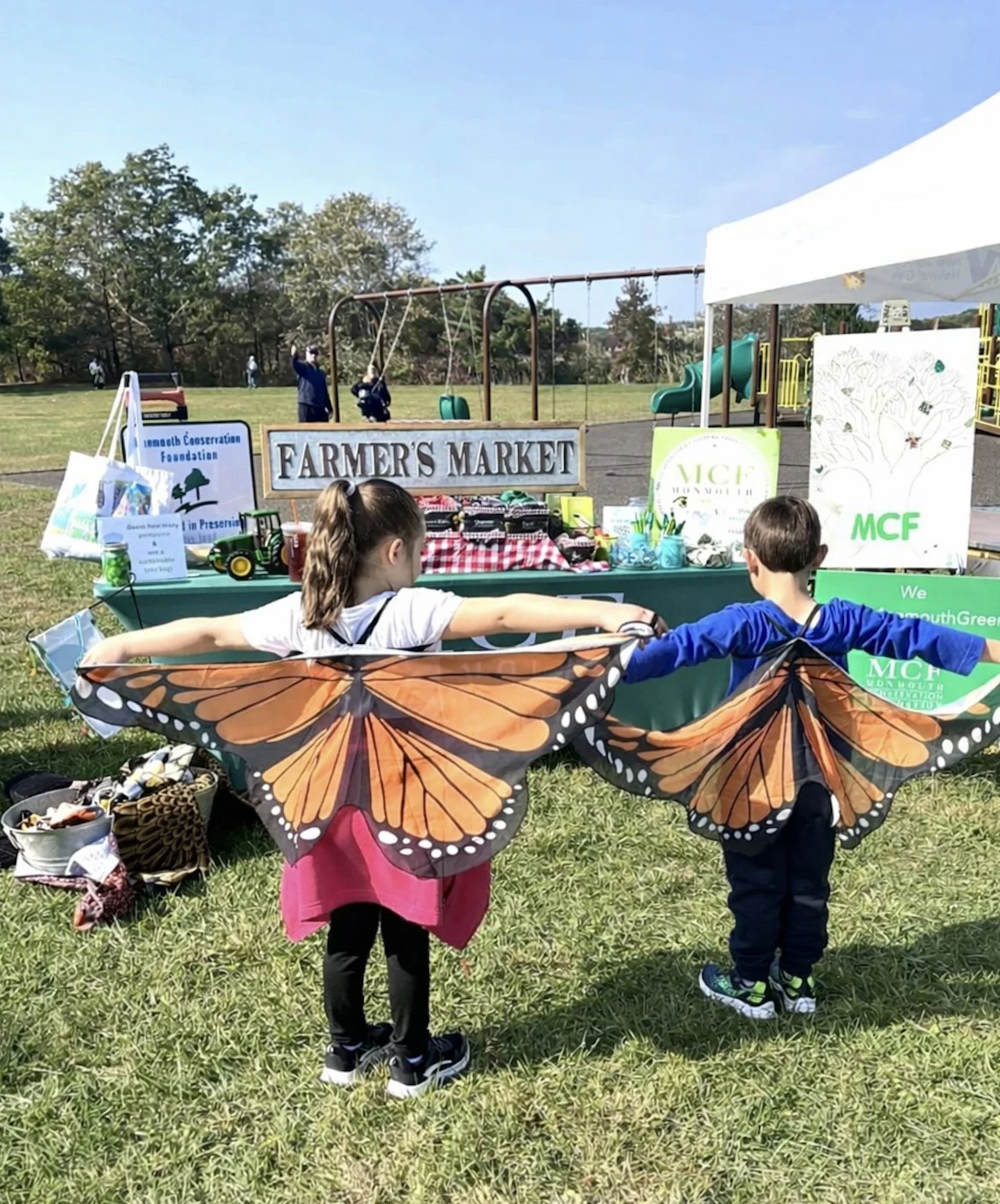
Both human and natural communities thrive with access to green spaces. Photo by Karen Keene.
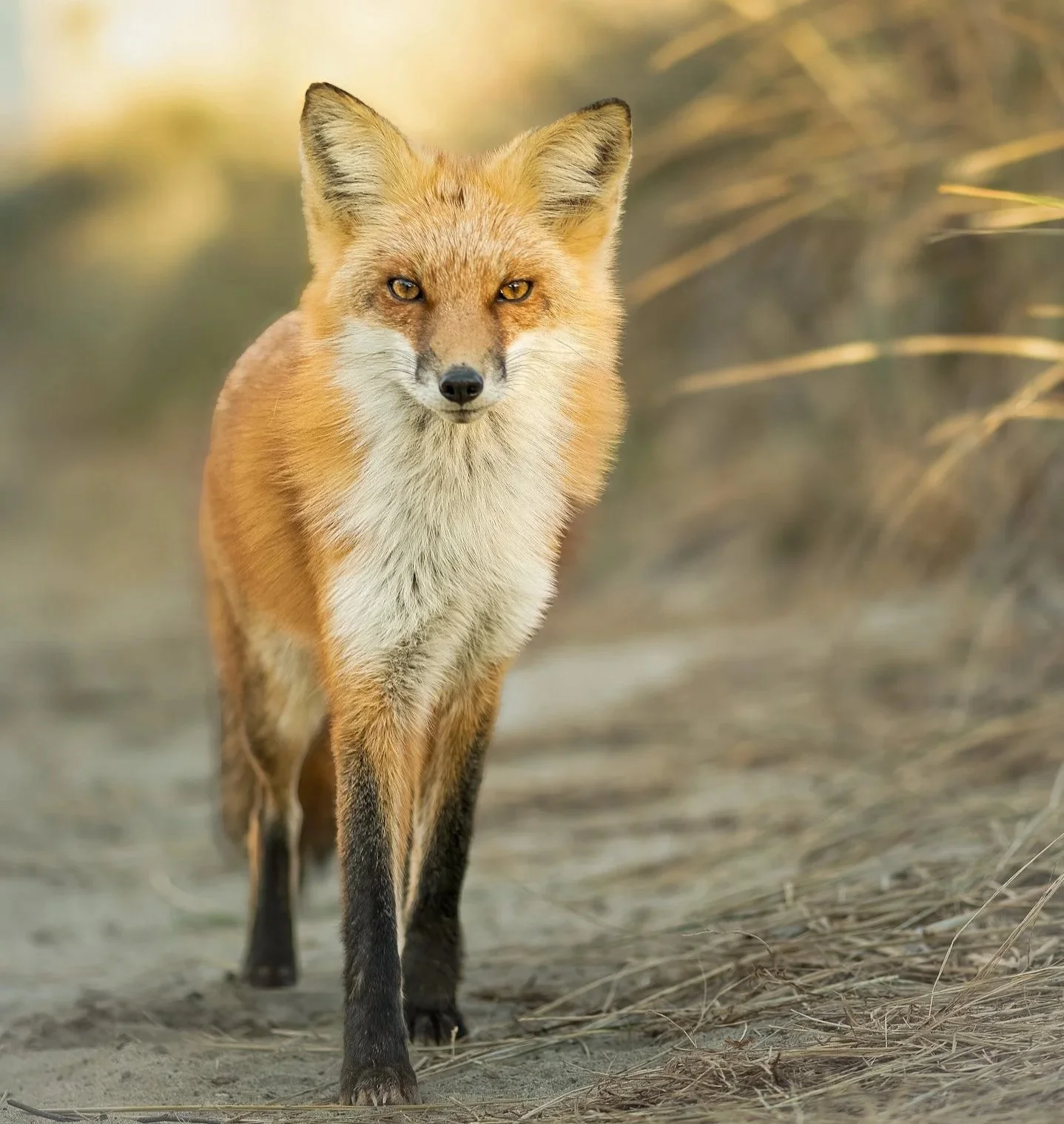
Photo by Emilee Carton, Jersey Shore Wildlife Photography.
Getting this balance right requires engaged planning boards, informed citizens, and science-based land-use decisions that anticipate the future instead of reacting to it. Monmouth Conservation Foundation plays a vital role in protecting critical open space, including and working alongside local partners, municipalities, and county, state, and federal agencies to build resilient, vibrant communities across Monmouth County.
Each of us has a part to play in local planning decisions, supporting conservation efforts, and advocating for development that considers the land we share with wildlife. The “train” may be coming, but together, we can choose a future that works for all life.
We can’t do this work alone. You can help #KeepMonmouthGreen by supporting our mission to create parks, preserve farms, and protecting open space. If you have questions about land preservation and wish to explore our services, please contact us.
The fox kit in Emilee’s story was rescued and released, but what happens to him next depends on the choices we make as voters and citizens. Monmouth County is at a crossroads, and while the development pressures are real, they are not insurmountable if we choose wisely.
By preserving land through outright purchase and conservation easements, MCF helps ensure a lasting legacy of open space that benefits all living things. Our organization actively stewards these lands through habitat restoration and the implementation of natural climate solutions that protect vital natural resources and strengthen ecosystem health. A powerful example of this work is underway at Scudder Preserve in Middletown, New Jersey, where families of foxes and other wildlife can thrive free from the train tracks, roads, and warehouses that fragment so many other habitats.
By prioritizing the revitalization of already underused properties, like shuttered shopping centers, vacant commercial lots, and aging industrial parcels, municipalities can meet modern needs without sacrificing the irreplaceable farmland, forests, and wildlife corridors that define us.
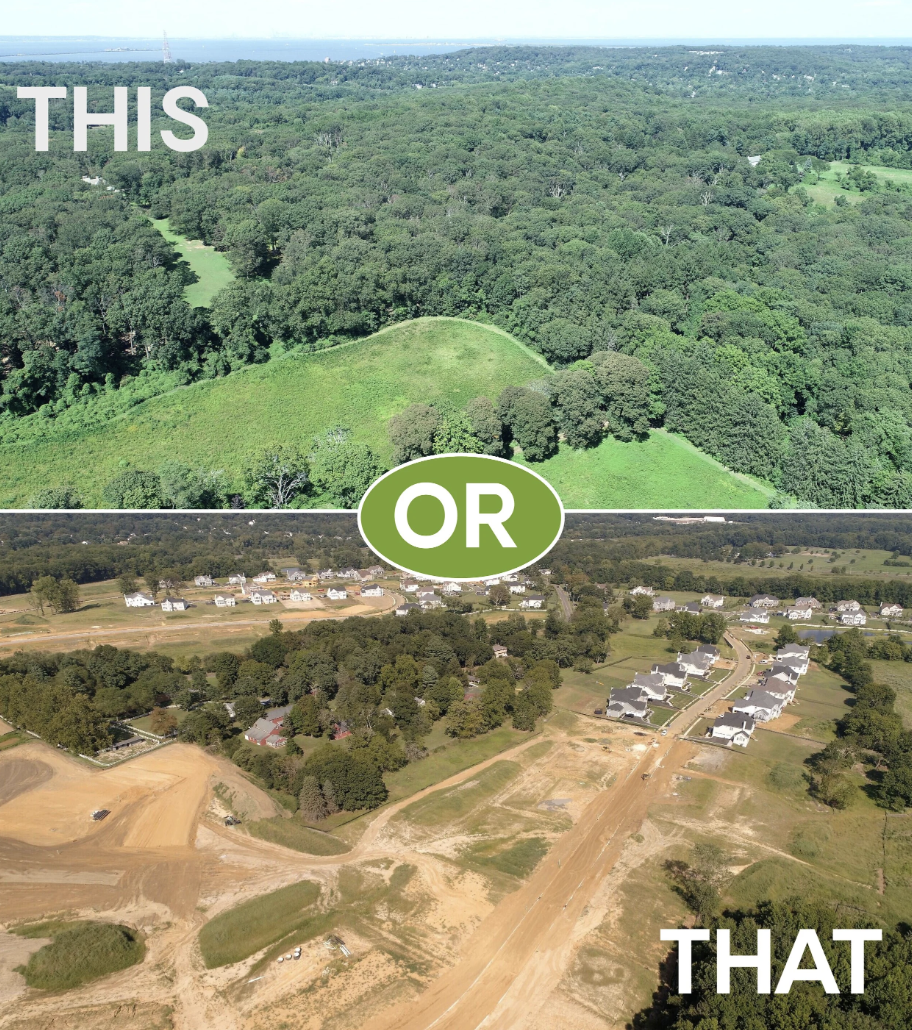
MCF works hard to protect the open spaces, parks, and farmland that make Monmouth County special. Photos by Fred Yahn, Eagle Drone Solutions.